

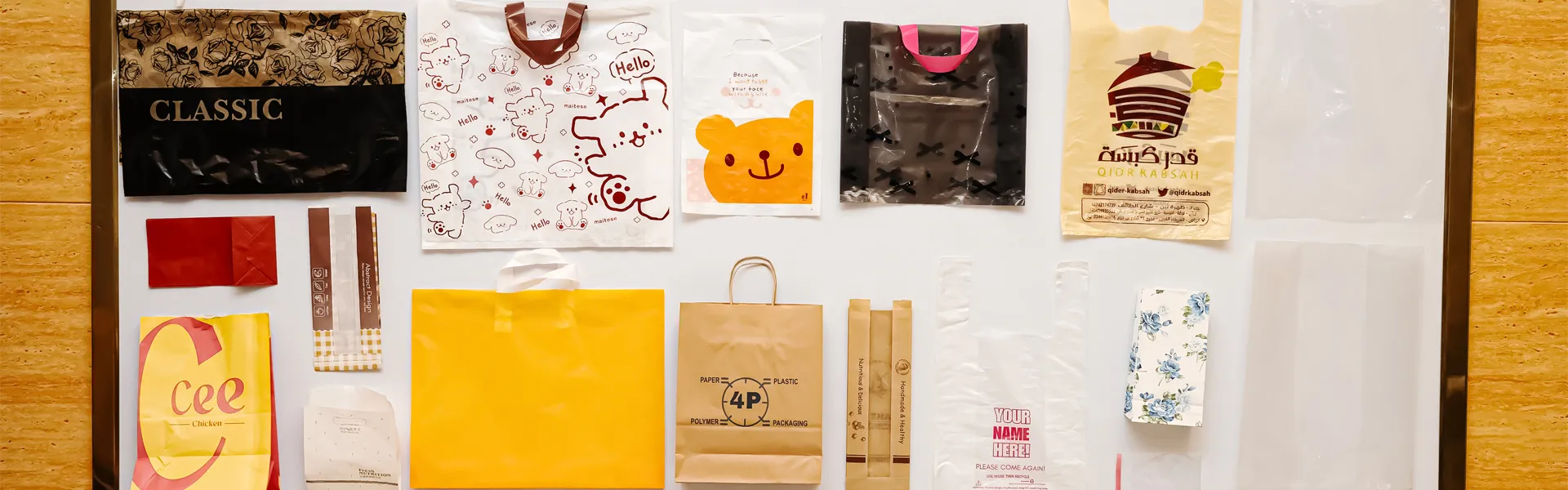
What are the Advantages of using a express envelope machine?
The global e-commerce industry has revolutionized logistics and packaging industry. As online retail continues to grow, demand for safe, efficient and cost-effective shipping solutions has reached record levels. In this system, simple express envelopes remain a key item for transport documents and light goods. But the way these envelopes are made has changed a lot. It has shifted from manual or semi-automated processes to full automation. Understanding the benefits of using express packers is important for packaging manufacturers and logistics providers. They need to stay competitive in the mass market. This article will describe the many benefits of this technology. They range from operational efficiency to sustainability. It also follows industry standards and technical specifications.
Improving Production Efficiency and Output Consistency
The main advantage of envelope automation is that large volumes of production can be achieved without loss of quality. Modern factories operate on a just-in-time basis. In this system, any outage means a direct loss of revenue. A high-speed courier envelope maker is built to run continuously with little human help. It is significantly faster than conventional methods. PMMI sees a 30% to 50% increase in throughput on automated packaging lines compared to semi-automated production lines. This is mainly due to faster changeover and stable mechanical circulation.
That consistency is not just about speed. It's also about accuracy. Accuracy of size is very important in the manufacture of express envelopes. They must work with automated sorting systems used by major postal carriers. Manual feeding or old mechanical systems often lead to uneven bonding or misaligned folds. Automated systems use servo-driven technology and optical sensors. This ensures that each unit meets the correct specifications. This lower variance reduces clogging of mail equipment downstream. It creates a smooth flow from production to scheduling. The reliability of the Courier Envelope Making Machine ensures that each batch is uniform. This is a key step for suppliers serving large logistics clients.
Cost Reduction through Material Optimization and Labor Allocation
The upfront costs of automated machinery are high, but long-term savings can lead to high returns on investment. Labor costs are rising steadily around the world. This makes manual folding and bonding too expensive for bulky, low-cost items. Automation shifts workers from repetitive manual tasks to higher-value roles such as machine supervision, quality control and maintenance. Industrial automation typically pays for itself in less than two years, according to the The International Federation of Robotics. This is due to lower labour costs and fewer errors.
Material waste is also a hidden cost in envelope manufacturing. Old die-cutting and folding methods often produced a lot of cropping and dislocation waste. An advanced Courier Envelope Making Machine has web guidance system and automatic tension controls. These optimize the use of materials. Reduce paper and polyethylene waste by precisely controlling feed speed and cutting length. This directly boosts profits. In addition, the precision glue application system stops overbonding. This not only saves the consumable costs, but also ensures the seal is strong and safe for transportation. Together, these factors reduce unit costs. This enables manufacturers to offer competitive prices in crowded markets.
Diversification and adaptation to market demands
The modern packaging market is no longer homogenous. Retailers need different sizes, safety features and materials for their products. A rigid production line of only one standard size is becoming obsolete. New technology of express envelope maker solves this problem through modular design and rapidchange. Operators can switch standard document sizes, bubble-lined versions and forgery-proof envelopes in minutes rather than hours.
This flexibility also applies to materials. With increasing regulations and consumer demand for sustainable packaging, manufacturers must deal with recycled paper, biodegradable films and composites. Research by the Sustainable Packaging Coalition shows that flexible machines that can run different materials are crucial for businesses to switch to a circular economy. A versatile Courier Envelope Making Machine allows manufacturers to test and adopt new eco-friendly materials without the need for a brand new production line. This agility allows businesses to react quickly to new trends, such as compostable mail, without losing productivity.
Quality Assurance and Security Features
In the courier industry, envelopes are not just containers. It's also a safety feature. If the seal is broken or there is no evidence of tampering, this can lead to legal problems and loss of customer trust. Automated production directly establishes quality checks in the production process. Visual inspection systems can detect defects such as glue-deficiency, typo or seal failures in real time. These systems automatically remove broken parts before they reach the completion stage. This ensures that only good products reach customers.
In addition, a special express envelope maker can be set up to add security features during the manufacturing process. This includes adding sequential numbers, barcodes and tamper-evident adhesives inline. PISA industry guidance notes that adding security features during primary transition, rather than as a separate step after, can reduce the risk of tampering and overall production costs. This level of internal quality control is almost impossible to achieve consistently by hand. This makes automation a requirement to supply sensitive areas such as banking, healthcare and government. A modern Courier Envelope Making Machine integrates these capabilities seamlessly, providing manufacturers with a competitive edge in secure document packaging.
Sustainability and environmental compliance
In addition to saving materials, automated machinery could help achieve broader environmental goals. It does this through energy management and process optimization. Newer machines have fuel-efficient motors and standby modes. These cut off power when the machine doesn't work. The precision of automated converting also allows lighter materials to be used without loss of strength. By optimizing envelope design with precise folding and bonding, manufacturers can use thinner materials. This reduces both the use of raw materials and emissions from ships.
Lifecycle assessments from academic institutions show that optimized manufacturing can reduce the carbon footprint of paper packaging by up to 15%. This includes reducing waste and making better use of energy. For companies facing EPR rules or corporate sustainability reports, smart machine data provides clear indicators of resource use. That transparency is becoming as important in business-to-business buying decisions as the product itself. As sustainability criteria become more stringent, the energy-efficient design of a modern Courier Envelope Making Machine directly contributes to both regulatory compliance and long-term cost savings.
Conclusion:
The shift to automated envelope production stems from a combination of economic, operational and environmental reasons. The benefits go far beyond speed. They include accuracy, flexibility, security and sustainability. Express envelope manufacturing machine is the key technology for manufacturing enterprises to meet the challenges of modern logistics. By reducing waste, optimizing labor, ensuring quality and spawning new materials, the technology shifts envelope production from a low-margin commodity to a complex value-added process. The strategic importance of such devices will only increase as the volume of e-commerce transactions grows and sustainability rules grow more stringent. It will distinguish between market leaders and those who fail to meet the precision requirements of automation.
Reference
Association for Packaging and Processing Technologies (PMMI) (2023). State of the Packaging Industry Report: Automation Trends. PMMI Media Group.
· International Federation of Robotics (IFR) (2024). World Robotics Report: Industrial Robots in Packaging. IFR Statistical Department.
Journal of Cleaner Production (2023). Automation and automated life cycle assessment. Manual Paper Converting Processes. You are now a world leader.
Postal Industry Suppliers Association (PISA) (2022). A best practice guide to safe mail-making standards. PISA Technical Committee.
Sustainable Packaging Alliance (SPC 2023). Machinery Flexibility and transition to circular Packaging Materials. GreenBlue.


