

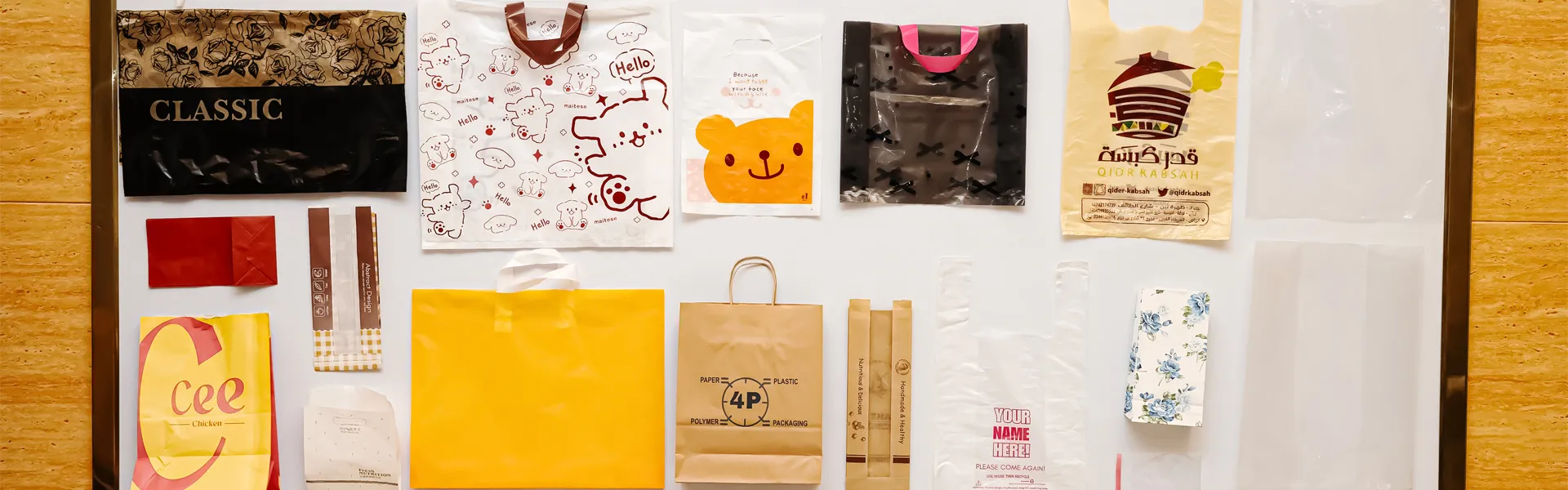
The global plastic bag industry is changing. Higher raw material costs, stricter environmental regulations and strong pressure on profit margins are pushing converters to look for more accurate, faster and flexible equipment. In the current technology, the side bag sealing machine has become an important part of the mass production line. What makes this machine special? This paper introduces the technology, production and cost efficiency of using side sealing machine in the production process. It is based on industry data and information from experienced manufacturers.
1.Good sealing and Material Versatility
The main advantage of side sealing machine is its sealing quality. Unlike folding and sealing machines, side sealing machines allow the sealing machine to machine seals on the side and flatten the seal. The design is suitable for producing T-shirt bags, production bags and heavy duty packaging.
A technical report on packaging machinery shows that side seals distribute heat more evenly between film layers. This helps reduce burnout and weak seals during high-speed production (Packaging Technology & Science 2022). The side sealing bag machine uses an accurate temperature control system that is usually maintained at +/ -1°C. This stable control helps to maintain a strong seal when using multi-layer co-extruded films with different melting points. It also helps protect the membrane structure. A well-tuned Side Sealing Bag Making Machine ensures that this temperature precision is consistently applied across extended production runs, minimizing thermal drift.
The machine is also suitable for high molecular weight and high density polyethylene (HDPE) materials. Production data show that side sealing machines can reduce sealingrelated waste by up to 40% compared to impulse sealers. That helps lower production costs and boost profits.
2.Improving Production Efficiency and speed
Speed is of the essence in plastic bag production. Depending on the length of the bag and the thickness of the film, the modern side bag maker can cut and seal the bag 80 to 150 times per minute. In the production of standard 20"x 24" T-shirt bags, for example, the machines typically run 100 to 120 times a minute with little operator support.
This efficiency comes from the continuous working design of the machine. Unlike traditional sealing systems, the sealing process requires sealing film, and the side sealing machine adopts rotating sealing system or servo-driven indexing system. This allows simultaneous feeding, sealing and punching. A study of production line improvements found that switching from bottom to side seals resulted in an overall about 22% improvement in device efficiency due to shorter sealing time and faster replacement times (Journal of Manufacturing Processes, 2023). When evaluating a new Side Sealing Bag Making Machine, many plant managers cite this rapid changeover capability as a decisive factor in their purchasing decisions.
The machines also include automatic tension control and edge guidance systems. The side bag maker keeps the film aligned in production process and reduces film movement problem which may lead to feed error and downtime. This stability is a major advantage when production stops costs hundreds of dollars an hour.

3. Save materials and improve Cost Efficiency
The increase of the price of polymer materials makes manufacturers pay more attention to the usage of materials. Side seal bagging machine helps reduce material waste during production. Since the sealing process takes place on the side, the machine requires less additional film around the edges than the central sealing machine.
The high quality side bag maker adopts a sharp, servo-controlled cutting blade reduce material loss during cutting. Material loss in older machines is usually about 2% to 3%. Modern side sealers can reduce that loss to below 1.5%, saving a lot of money on multiple shifts. For a factory that uses 10 tonnes of resin a week, a 1.5% reduction in waste could save 150kg of resin a week. That would save nearly 8 tons of material a year. Investing in a modern Side Sealing Bag Making Machine directly contributes to this material-saving potential, as its servo-driven cutting system ensures cleaner cuts and narrower edge trim.
Side seal bag maker can also use a knife cutting system to shorten the distance between seals. This precise cutting method allows the manufacturer to slightly shorten the length of the bag without compromising its performance. As a result, more bags can be produced from the same roll of film.
4. Superior Aesthetics and Customization Capabilities
In retail, the appearance of a bag matters. Side sealer creates a cleaner and flatter side seam, which is hidden when the bag folds. This gives the bag appearance better, especially for custom-printed bags, which require accurate graphic alignment.
The servo-driven system of modern side bag sealing machine provides accurate printing registration. The accuracy of these machines ± 0.5mm keeps the printing design in position and prevents logos or barcodes from being cut off. A survey of packaging converters shows that 68% of respondents found that upgrading to a servo-driven side sealing bag bags had improved their ability to produce high-value bespokeprinted bags and imposed stringent registration requirements (Flexible Packaging Magazine, 2023).
The machines also support different hole-punch and perforating options. They can produce U-cuts for T-shirt handles, circular holes for produce bags and tear notches that open easily. The side-sealing bag maker can add these features while maintaining a steady production speed. With a flexible Side Sealing Bag Making Machine, operators can switch between these hole-punch configurations without sacrificing the output rate.
V. Durability, maintenance and Long-Term Reliability
Heavy production requires equipment capable of supporting continuous operation. Reliable side seal bag maker with strong steel frames and precision guide rod. Seals are usually made of brass or hardened steel and use nonstick coatings, such as Teflon, to reduce plastic accumulation.
Maintenance is simple, also. Side sealing bag machine adopts modular design, which makes it easy to touch heating parts and sealing ribbons. In most cases, the seals need to be replaced every 1,500 to 2,000 hours. A trained technician can complete the job in 20 minutes. High-quality side bag makers can last 15 to 20 years if worn parts are regularly maintained and replaced.
CNZhuXinMachine.com states its side sealing machines includes a real-time diagnostic system. These systems monitor temperature, pressure and servo motor torque. When a problem is detected, the side bag maker can automatically adjust settings or send an alert to the operator. This predictive maintenance feature helps reduce unexpected glitches and repair costs.

6. Environmental sustainability and energy consumption
The plastics industry is facing increasing environmental pressures, but side bagging machines can help companies build more sustainable production processes. By reducing material waste and energy use, these machines support companies in meeting their Corporate Social Responsibility goals.
Modern side bag maker adopts servo motors, which consumes 30% -40% less electricity than traditional clutch brake system. Servo motors use power only when in motion, whereas older systems usually run continuously. In a 24-hour production environment, electricity use could be reduced by about 15,000 kWh per year.
Due to the side bag sealing machine has strong sealability, so in the process of use, the bag body is not easy to break. This reduces the need for double-bagging. It also allows retailers to use film without compromising performance, which helps reduce the carbon footprint of each bag. Technical information from CNZhuXinMachine.com shows that some side seals can work biodegradable and modular membranes to help manufacturers use greener materials without major equipment modifications, according to CNN.com's technical information.
7. Versatility Across Bag Styles
One of the great advantages of a side sealer is flexibility. One machine can produce different types of bags, including:
· T-shirt bag with reinforced handle.
· Bag of bread designed to twist ties.
· Production of punch bags.
· Trash-lined drawstring bags.
· Heavy sacks up to 150 microns thick.
Modern servo-driven machines can change different bag styles in less than 30 minutes. Machine memory systems can save up to 100 job settings, allowing operators to quickly load the required production parameters. This flexibility is important for contract manufacturers who produce small batches of different types of bags each day.
8. Reduction of labour and labour safety
Automation reduces the need for manual labor. Side bag maker can complete the whole process from the roll to finished bag counting. Many machines are also connected to automatic stacking and counting systems that divide bags into groups of 10, 50 or 100 for easy packaging.
This automation reduces operator contact with high-temperature sealing bars and moving cutting parts. The side-sealing bag maker uses safety guards and light-colored curtains to stop the machine when someone enters a dangerous area. According to OSHA report, properly protected properly protected side sealing machines have a lower injury rate than other switching devices.
Conclusion:
Side sealing bag machine has the advantages of good seal quality, fast production speed, low material waste and reliable long-term performance. It provides the flexibility necessary to meet changing market demands and helps manufacturers improve sustainability. For plastic bag manufacturers, side bag sealing machine is an important equipment choice to improve production efficiency. Whether upgrading an existing line or planning a new facility, selecting the right Side Sealing Bag Making Machine remains a strategic decision that affects both operational costs and product quality.
For technical specifications, machine configurations, and performance information, manufacturers can look to cnzhuxinmachine.com's resources for more information about selecting and optimizing these systems for different production needs.
References:
· Packaging Technology and Science, Thermal Sealing Integrity in High-Speed Packaging, vol. 35, No. 4, 2022.
· Journal of Manufacturing Processes, Comparative Analysis of Flexible Packaging Sealing Techniques, vol. 89, 2023.
· Flexible Packaging Magazine, Converter Survey of Printing Registration Accuracy, Printing Equipment Annual Report.
· OSHA, Mechanical Protection Standards for Converting Equipment, OSHA 3218-05R, 2021.
· CNZhuXinMachine.com, Product Technical Datasheets and Maintenance Guide.


