

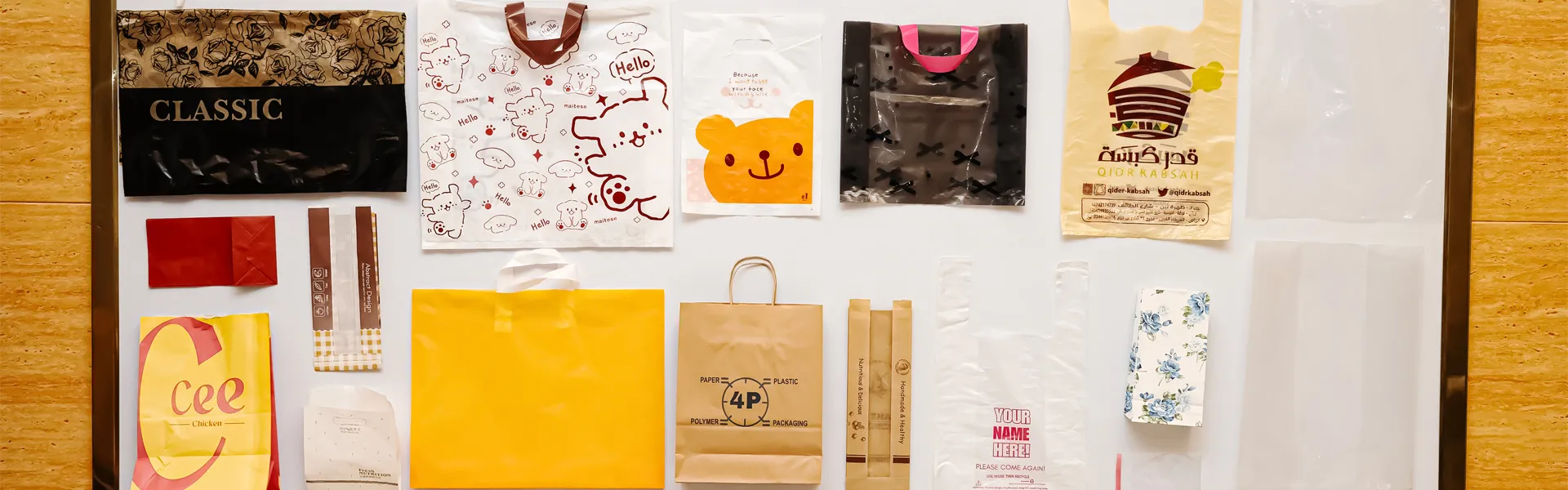
Choosing the manufacturer of the bottom sealing machine is an important determining factor. The equipment affects production time, waste film, seal quality and ultimately packaging quality. Unlike side or three-sided sealing machine, bottom sealing machine has flat sealing bag width and high sealing strength. They are commonly used in food bags, medical packaging and heavy duty shipping bags. Low-quality machines can lead to leaks, uneven seals and costly production stops. Selecting the right bottom sealing bag making machine requires a systematic evaluation of both mechanical performance and after-sales support.
This guide provides a simple and clear method of vendor evaluation. It adopts purchasing practices, machine reliability standards and factory inspection experience. It doesn't focus on branding or promotion. It provides practical points that buyers can use when selecting suppliers.
Step 1: Determine your production profile before contacting your supplier
Many buyers have contacted manufacturers without being prepared with specific technical requirements. This can be problematic. Bottom bag makers are not suitable for all applications. You need to define the following:
Film Type-LDPE, HDPE, PP, laminated multilayer or biodegradable? Each material requires a different heat seal temperature (usually 120°C–200°C) and sealing times.
Bag size-minimum and maximum width and length of the bag. Some machines can have a processing width of 100–600 mm, while heavy machines can have a processing width of 1,200 mm.
Seal thickness-Bottom seal usually needs to be 5–15 mm wide. Thicker seals require higher sealing pressure (in Newtons) and longer cooling times.
Exhaustion speed-Production speeds is typically 40-180 sacks per minute. Higher speeds usually require servo-driven systems rather than pneumatic systems.
Seal quality standard-will you use ASTM F88 or ISO 527-3 based skinning test, bursting test or dye penetration tests? The manufacturer must adjust the machine to meet these requirements.
Prepare a one-page technical requirements document before contacting the supplier. This will help eliminate suppliers that only produce standard machines and help you find manufacturers that can adjust bottom sealing bags to your film material and production needs.
Step 2: Review the Manufacturer's Mechanical Build Quality
A reliable supplier's factory displays more information than their sales materials. The following physical details should be noted when inspecting the manufacturer of the base sealing machine: The structural integrity of a bottom sealing bag making machine directly determines its long-term sealing consistency and operational stability.
A. Frame Strength and Vibration Control
Repeated up-and-down movements of the sealed jaw produce regular impact. Heavy-duty cast iron or welded box frame construction (with walls at least 12 mm thick) reduces vibration and helps seal rods to make even contact with film. Ask the vendor: "What is the natural frequency of your frame and how does it match your machine's operating speed?" If they can't provide an answer, consider another supplier. According to VDI 3830 machine dynamics guidelines, frame deformation should be less than 0.05 mm/m at full load.
B. Seal Jaw Materials and temperature control
Bottom sealing jaws is usually made of aluminum or brass and coated with PTFE. High-quality manufacturers may use beryllium copper inlays to speed up heat transfer and improve abrasion resistance. More importantly, ask about the temperature distribution throughout the sealing jaw. Reliable suppliers should provide infrared thermal imaging data showing temperature differences within + -2°C. Uneven heating results in a weak sealing areas, which is also a common cause of malfunction during use of cloth bags.
C. Drive System Choice: Servo vs. Cam vs. Pneumatic
servo-driven eccentric cams is used in the design of modern backcover bag making machine instead of pneumatic cylinders. Servo systems provide precise position control, steady acceleration and deceleration, and real-time pressure regulation. Pneumatic systems cost less, but the use of compressed air increases operating costs. They can also lose sealing pressure at high speeds due to delays in air compression. servo-driven bottom sealers can reduce overall ownership costs by 23% over five years compared to pneumatic models, according to the 2024 Packaging Machinery Industry Research Report.
D. Film Feeding and Registration
Drive-thru rollers with clamping systems, rather than passive dance poles, help keep film tension stable from the vent station to the sealing area. Print bag registration accuracy is important and should be within ±0.5 mm. Suppliers of optical sensors with closed-loop servo correction have shown improved machine control and engineering capability.
Step 3: Evaluate the Control Ecosystem and Data Traceability
A reliable backpack maker should be connected to your manufacturing execution system (MES) or provide detailed operating records. Here are some things to look out for when checking with suppliers:
- PLC brand and model-Brand is not the most important factor, but PLC should be a common industrial product with good technical support and service coverage.
- HMI touchscreen operation-Self-test screen. Can you adjust sealing temperature, sealing time and pressure in three steps? Are alarm messages easy to understand in English or local languages, rather than using unclear error codes?
- Data recording and output-can the machine hold sealing temperature, jaw pressure and bag numbers with time on them? This information is useful for ISO 9001 quality management and FDA traceability checks.
- Remote Connection – Suppliers offering VPN-based remote support and customer-controlled access demonstrate confidence in their technical and after-sales services.
ISA-95 (Integration of enterprise and control systems) provides useful guidance in this area. Your machine should be able to support level 2 and 3 data communications without the need for expensive upgrades in the future.
Step 4: Demand Transparent Spare Parts and Consumables Policy
This is a problem for many homebuyers. Bottom sealing machine manufacturers may offer lower machine prices but charge higher prices after special replacement parts. Ask suppliers specifically about:
Which components are standard (such as common bearings, sensors and belts) and which are custom-made (such as special sealing jaws, cam followers and guides)?
Request a three-year list of spare parts indicating the estimated frequency of replacement. Sealant tape, for example, needs to be replaced every 500,000 cycles and heater cartridges every 2,000 working hours.
What are the delivery times for important parts such as servo motors, seals and control panels? It is common practice in the industry for parts to be delivered within 48 hours and 5 working days of the supplier's location. According to ISO 13374 condition monitoring standards, machines can have poor maintenance design if a simple seal jaw replacement results in downtime of more than 4 hours.
Product support policies can also be consulted. Reliable manufacturers should continue to support the bottom bagging machine model for at least 10 years after the final machine is sold. They should give at least 12 months' formal notice before stopping support for critical control components.
Step 5: Insist on using film for factory acceptance
Never choose a machine based solely on a video demonstrations. A reliable supplier should allow you or a trusted third-party engineer to use your own film for factory acceptance tests, rather than their regular test materials. During FAT, the bottom sealing bag making machine should be challenged with your actual film grades to verify seal integrity under real production conditions. the FAT, check out the following:
Seal strength -50 consecutive bags collected and tested for peeling and bursting. ASTM F88 requires a minimum peel force of 2.5 N/15 mm in many food packaging applications, but your product may require higher value.
Seal appearance-Check for wrinkles, burn marks or poorly sealed areas. dye penetration testing (ASTM F1929) was used to search for small leakage channels.
Speed stability-Each stage Run the machine at 80%, 100% and 110% of its target speed for 30 minutes. Check for changes in sealing temperature. The temperature difference should remain within + -3°C.
Changes over time-requires the operator to adjust the size of the bag from one to the other. Mechanical design may not be efficient if mechanical adjustment takes more than 20 minutes without replacing the tool.
The supplier's FAT procedure shall comply with ISO 10472-2 safety and performance testing requirements for packaging machinery. If the supplier does not have a clear FAT checklist, it should be considered a warning sign.
Step 6: Scrutiny of aftermarket support infrastructure
Bottom-sealing machines are a long-term investment and typically last 10 – 15 years. After-sales service is the difference between a simple equipment seller and a reliable long-term partner. When evaluating suppliers, check the following:
Service technician team – How many service engineers do suppliers have in your area? What is their average response time, including problem diagnosis and repair time, not only travel time?
Training Program-Do you offer on-site installation training (at least 3 days) and online tracking training? A sample training plan was requested. It should include seal jaw adjustment, temperature controller calibration, and emergency manual operation procedures.
Warranty Period-General industry warranty of 12 months or 2,000 hours, whichever comes first. Some suppliers offer 24-month warranties on servo motors and control systems, suggesting they are more confident in their equipment.
User support and technical resources – Do manufacturers provide maintenance videos, troubleshooting guides, and spare parts lists online? Good digital documentation reduces the need for frequent phone support.
packaging production downtime in food processing is $1,200 to $2,800 per hour, according to Journal of Manufacturing Technology Management (No. 33, 2022). Rapid and effective technical support can directly reduce production losses.
Step 7: Verify Compliance and Certification Credentials
Operational reliability starts with meeting required standards. Each backpack maker shall meet the following requirements:
Electrical safety-The machine should be CE, UL or CCC certified, according to the target market.
Machine Safety Protection-EN 415-5 (Bagging Machine Safety Requirements) defines requirements for safety guards, interlock systems, hand control, and emergency stop functions.
Sanitary design-For food packaging applications, check that machines use food-grade lubricant (NSF H1) and that corrosion resistant materials are used in sealed areas. 316 stainless steel is preferred.
Third parties are required to provide test reports, rather than only certificatesissued by suppliers. Reliable manufacturers should provide ETL or TÜV reports upon request. Also check that supplier's quality management system is ISO 9001: 2015 certification. While this is not always necessary, it shows that manufacturers follow structured production and quality control processes.
Step 8: Compare Total Cost of Ownership (TCO), not just purchase price
The cheapest backpack offers tend to be the most expensive over 5 years. Using these inputs, a TCO model were established:
Cost Elements Typical Range
Initial cost of capital 100% baseline
Installation and commissioning 5–8% of capital
Annual maintenance (spare parts + labour) 4–6% of capital
Energy consumption (electricity + air) 2–4% capital/year
Downtime cost (production losses) Highly variable
Resale value after 5 years 30–50% of capital
Each vendor is required to provide documented average uptime data from existing customers. Machines that produce 120 bags per minute have a 2% increase in uptime (from 96% to 98%) and can add 1,150 bags per shift. That extra production might be enough to pay 15-20% more for a more reliable bottom bag maker.
Step 9: Ask Customers to recommend and visit Their Installations
Suppliers should provide at least three customer certificates from your industry, not just the average bag manufacturer. Contact these clients with specific questions:
"Did the machine reach the required production speed in the first month?"
"How often did you replace a seal or heater cartridges compared to the service life promised by the supplier?"
"How long did it take to receive phone support and how many days did it take for technicians to arrive when the machine breaks down?"
"Would you buy the same backpack again?"
If possible, visit a customer's factory without prior notice or request a live video call while the machine is running. Observe the noise level, film dust accumulation and operation experience of the machine during normal operation. These details are not usually seen in demonstration videos of cleaning plants.
Final Checklist Before Signing the Purchase Order
Before making a final decision, please complete this verification checklist:
Technical specification sheet is fully consistent with the type of film and the size of the bag.
FAT date are confirmed by your own film.:Spare parts list includes written price and delivery time.
The training plan includes a training schedule and the number of trainee positions available.
Warranty terms clearly define the scope of the warranty, including the cost of travel and accommodation for Warranty service visits.
Payment schedules are about delivery, FAT approval and successful machine commissioning, not only shipping.
Conclusion:
Choosing a reliable backpack manufacturer is not just a matter of comparing product specifications. It requires careful review of machine structures, control systems, service support, total costs, and actual customer feedback. By using this nine-step evaluation method, buyers can make better decisions based on the performance of the device, rather than only focusing on price. A reliable manufacturer should be willing to answer detailed questions and provide clear information about their machines. A well-chosen bottom sealing bag making machine delivers consistent seal strength, minimizes material waste, and provides a strong return on investment over its operational lifespan.
The real cost of a good choice is not only the purchase price. It may include customer complaints about leaking bags, accidental repairs, and reduced market opportunities. Careful pre-purchase evaluation will help ensure that your bottom bag maker provides a stable stable sealing quality, reduces material waste, and has long term production performance.
References: ASTM F88 (Seal Strength Test), ASTM F1929 (Dye Penetration Test), ISO 527-3 (Plastics Tensile Properties), VDI 3830 (Machine Dynamics), ISA-95 (Enterprise-Control Integration), ISO 13374 (Status Monitoring), Journal of Manufacturing Technology Management Vol 10472-2 (Packaging Mechanical Safety), PMMI 2024 All standards and publications are accessible through their respective issuing bodies.


