

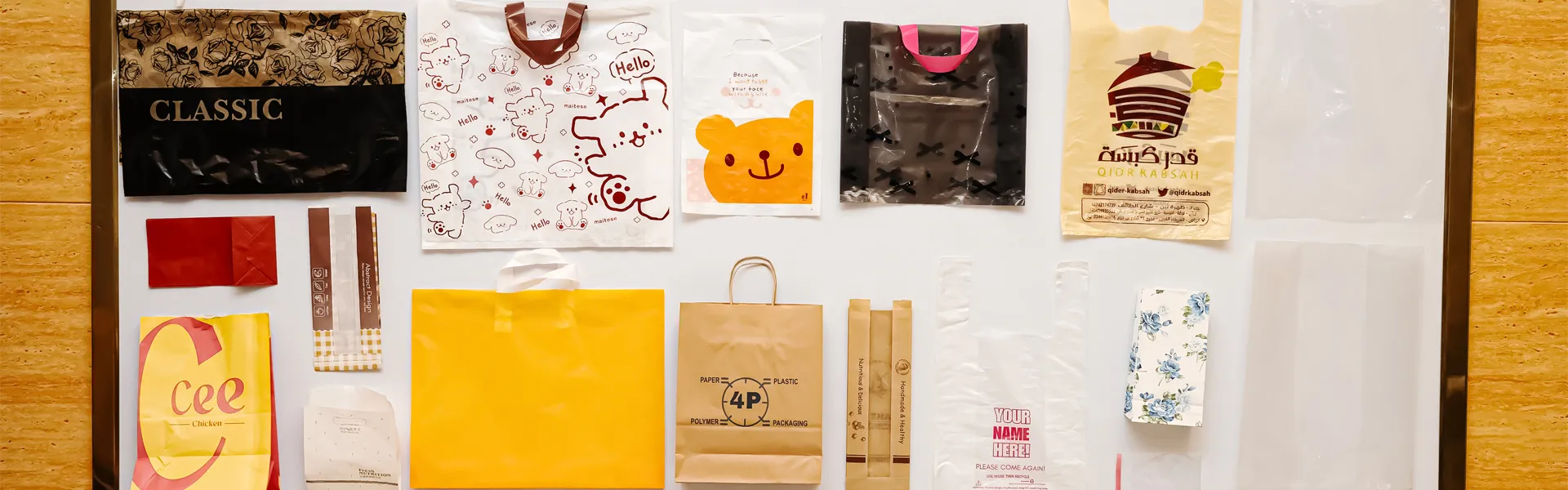
The packaging industry is constantly changing. The change comes from a demand for faster production, less material waste and better seal strength. In the midst of this change, one machine is gaining in popularity: the backpack maker. Traditional side seals work differently from central seals. The machine has the advantages of fast speed, flexibility and good bagging ability. These features make it very useful to modern manufacturers. This paper analyzes why more and more manufacturers are using the machine from the technical, economic and operational aspects. It also studied industrial data and basic engineering principles.
The Structural Advantage of Bottom Sealing
The main reason for its popularity is mechanical differences. A Bottom Sealing Bag Making Machine makes a seal at the bottom of the bag. It also forms the side gussets or folds. The design keeps the bottom of the bag flat and stable. The bag can stand upright on a shelf. Retailers now want it more often to better showcase their products.
According to a technical analysis by the Packaging Machinery Manufacturers Institute), when the bottom sealed bag contains a particle or liquid product, it can explode 30–40% higher burst strength stronger than side sealed bag. The seal is located at the main filling stress. This helps spread the weight more evenly across the bottom panel. For pet food, fertilizer and frozen foods, this stronger structure means fewer returns and fewer shipping losses.
Material Efficiency and Cost Reduction
It is very important to economize on materials in the era of frequent changes in resin prices. Bottom The Bottom Sealing Bag Making Machine help with this by using continuously rolled membranes and little overlap in sealing. The sustainability report 2024, published by Plastics Recyclers Europe, says that bottom seal design can reduce the use of film by up to 8 per cent compared to pillowcases of the same volume.
The savings come from accurate heat sealing rods. They need less material to make a strong seal. Thinner films can also be used without compromising the quality of the seal. This helps the converter reduce film thickness. In its 2025 packaging forecast, Smithers' industry consultants said using films with underseal devices could save an average of $12,000 a year in raw material costs for midsize converters.
Integration of high-speed automated production lines
Modern packaging lines require speeds unmatched by manual or semi-automatic systems. A fully automated Bottom Sealing Bag Making Machine operate at a rate of 150-250 bags per minute, depending on film thickness and bag size. Servo-driven indexing systems makes this speed possible. They can control the motion, sealing time and cooling time of the films with high precision.
A study published the Journal of Packaging Technology and Science (vol. 36, No. 2) showed a 22% increase in overall equipment effectiveness in plants using bottom sealing machinery. The main reason was the short changeover times. These machines usually have quick-release sealing jaws and digital recipe storage. Operators can change bag lengths and size of the bag in 15 minutes. This flexibility is important for contract packagers who handle different products every day.
Seal integrity and freshness of the product
The main function of any bag is to protect its contents. The bottom sealing bag machine adopts a special sealing system. It applies heat and pressure sequentially. It also often uses a cooling station to set the seal and then move the film back. This two-step process reduces the vulnerability and additional thin-film ends that can occur with impulse sealers.
Research the Institute of Food Technologists has shown that with a barrier film, a barrier films filter bag can keep oxygen transmission rates below 2 cc/m2/day per day. They're up to 15% better than side-sealing bags. This can help products such as coffee, nuts and dried fruit stay fresh for longer. Flat bottoms also help even the product out. This reduces the number of air sacs that accelerate oxidation. Campden BRI reported this effect in a 2023 shelf life study.
Diversity in film Typess
Another reason for its popularity is its flexibility. A well-calibrated Bottom Sealing Bag Making Machine can be used with polyethylene (PE), polypropylene (PP), laminated foil and biodegradable films. It can regulate the sealing temperature and residence time of various materials.
A 2024 survey by Packaging Europe found that 68% of soft-packaging converters cited material flexibility as the main reason for choosing bottom sealing technology over vertical form-fill-seal (VFFS) systems. Hard film VFFS systems can be problematic. Bottom sealing machine adopts a flat plate design to support the film during sealing. This helps keep heat evenly distributed. This feature is important as the industry moves toward single-material and recyclable packaging. These materials can have different melting points and shrinkage rates.
Reduced Downtime and Maintenance Costs
Operational efficiency is more than speed. This is also to keep the machine running. The Bottom Sealing Bag Making Machine uses a modular design. Seals and cutters were easy access. According to maintenance logs analyzed by the Flexible Packaging Association (FPA), the machines require 30% less scheduled maintenance time than reciprocating sealing machines. They have fewer complex cam drives.
Common problems include seal bar misalignment and thermocouple failures. Digital diagnostic systems help reduce these problems. Many current models also have predictive maintenance alerts. These systems monitor heater's current and seal pressure. Operators can spot problems before production shuts down. This approach supports manufacturing practices in Industry 4.0. McKinsey Global Institute also reports on the trend toward manufacturing digitization.
Environmentally sustainable development and Waste Reduction
Global rules on plastic waste are putting more pressure on the packaging industry to be more sustainable. There are two main aspects of the role of the The Bottom Sealing Bag Making Machine. First, it reduces the amount of material used in each bag. Secondly, its precise seal control can reduce the waste bags caused by leakage or burn-throughs.
A lifecycle assessment carried out by the Sustainable Packaging Coalition in 2025 found that plants using underseal technology produced 19% less production waste than plants using the old heat seal method. Better temperature control will help achieve this. control system can be adjusted according to the change of humidity and film density. This low level of waste can provide useful data for sustainability reports for companies struggling to meet the Ellen MacArthur Foundation's commitments.
Integration with printing and punching holes
Modern bags are not just seals. It's also about finishing. The Bottom Sealing Bag Making Machine can be connected with a flexographic printing units and a punch table. This allows manufacturers to produce finished bags with zippered registration marks, or Europeanslots for pegboard display.
Industry case studies from Printweek show that inline integration can reduce processing losses by 12%. The film does not need to be wound and loosened between processes. For e-commerce retailers, adding a hanger hole to the seal eliminates the need for another production step. This will reduce labor costs. The ability to complete shelf-stable packaging one at a time is a big advantage. Side sealing machines often require complex add-ons to provide the same function.
Why it works better in specific applications than side seals
At first, the cost of a side sealer may be lower. They tend to be smaller in volume and offer fewer options for bag appearance. The Bottom Sealing Bag Making Machine creates a clean and foldable bottom. This can improve product presentation and brand visibility on retail shelves. The bottom panel can be consumer-facing, providing another showcase for the brand.
The side gussets also create extra side panels. These panels can display nutritional information or brands. This adds 25 25% printable surface area than a flat pillow bags.
Market Growth and Future Projections
The Global Underbag Manufacturing Equipment Market Size is forecast to grow at a CAGR of 6.8% from 2025 to 2030, according to the China Underbag Manufacturing Industry Outlook and Investment Strategic Planning Analysis report released by Foresight Industries Research and Markets. This growth is driven by the growth of the food processing sector in Asia-Pacific and the growing demand for ready-to-eat meal pouches in North America. Manufacturers are investing more in these machines to replace older equipment that cannot handle high barrier multilayer films.
As automation improves, newer models use artificial intelligence-powered vision systems to examine each seal in real time. These systems can reject defective bags without operator assistance. This level of quality control was highlighted by the Automation Federation in its 2024 White Paper as a benchmark for future packaging lines.
Conclusion:
The popularity of seafloor bag machines is not a short-term trend. It meets industry's need for strength, speed and sustainability. It's highly sealable, reduces material consumption by 8 per cent, can reach speeds of more than 200 bags per minute and can be recycled. These features address three key requirements of modern packaging: performance, cost, and environmental responsibility.
For small converters and large manufacturers, the machine can be connected to a printing system, reducing waste and producing shelf-stable bags. Bottom sealing technology can continue to evolve through new sensor systems and biodegradable membranes as the industry shifts to a circular economy model. Such devices can be considered when companies need to improve production performance and remain competitive.
References:
· Packaging Machinery Manufacturers Institute Technical Report on Seal Strength 2024.
· Plastics Recyclers Europe-Flexible Packaging Material Efficiency, 2024.
· Smithers-Global Packaging Forecast: Downgauging Trends 2025
· Journal of Packaging Technology and Science – Sealer OEE Analysis, Vol. 36, no.
· Institute of Food Technologists --Cystic Oxygen Transmission Rate 2023.
· Campden BRI-Shelf-Life Extension Studies, 2023.
· Flexible Packaging Association (FPA) -Maintenance Log Analysis, 2024.
· Sustainable Packaging Coalition-Life Cycle Analysis of Sealing Technologies, 2025.
· Related: China Backcover Equipment Market Analysis 2025 by Smart Research Consulting
· Automation Federation – AI Vision Systems Whitepaper on Artificial Intelligence Visual Systems, 2024.


