

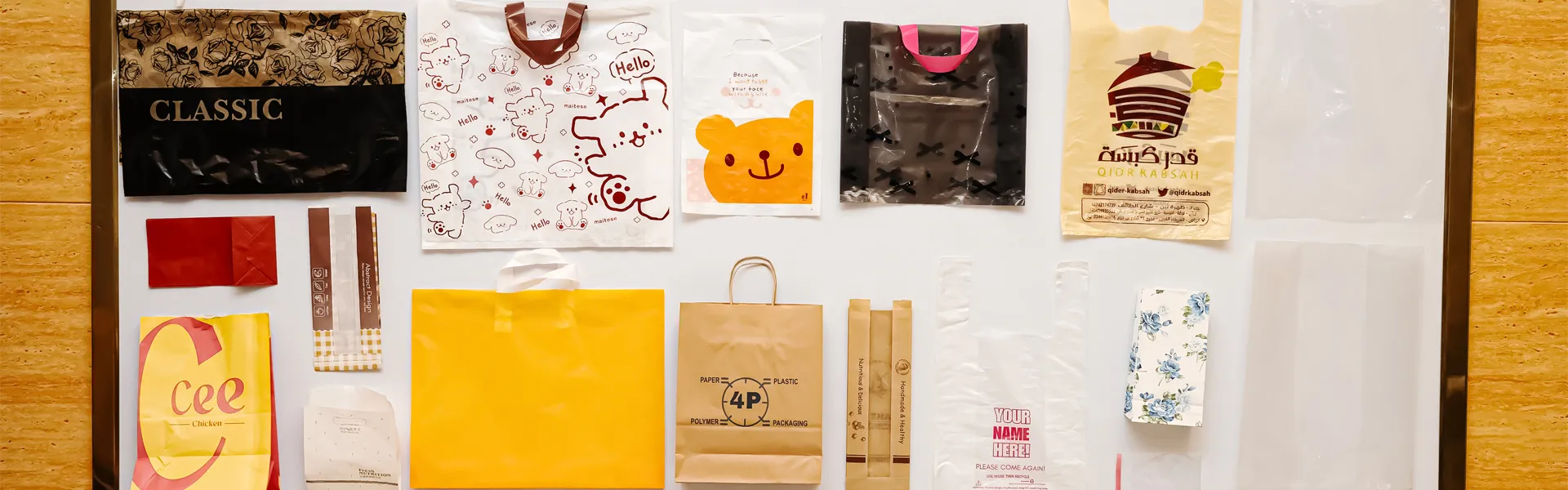
When asked what a bag maker can produce, many buyers wonder if a Plastic Bag Making Machine can produce different types of bags or if each type of bag needs its own bag maker. The answer lies somewhere between those two options. Main components-opening, sealing, cutting and stacking-are common to most bags. The changes are to the tooling, such as seal position, handle shaping, folding and winding. This article introduces the types of bags plastic baggers can produce, the machine setup required for each type, and the speed range you can expect.
What determines which bags a machine can produce
The characteristics of the three machines determine what kind of bag a machine can make: web width, seal type and additional station.
Web widths set to the maximum bag size of the machine can be made. The number of lanes can also be affected when the width of the cloth bag is fixed. An 800mm frame can flatten a single-lane bag to about 700mm wide. The 1,200 -1,600 mm frame can run several lanes for a small bag. This setup is common on the line of high-output T-shirt bags.
Sealers are divided into main types. Bottom sealing machine seals the film to the bottom of the bag. They are suitable for flat pouches, garbage bags and tumble bags. Side seals are cut and sealed along the edges of the flattened or slit film. Suitable for T-shirt bags and lightweight carrier bags, they need a soft and flexible bottom. Machine structure is important. Bottom sealing machine can be used to make other bottom sealing machine products with different tooling. It can't become a side sealer. Before comparing the types of plastic bags, look at the basic components of a Plastic Bag Making Machine: expansion, tension control, sealing, cutting and stacking. The type of bag depends on the parts added around the core.
Additional stations allow one machine to produce more products in the same family of machines. This can include handling punches, patch handling apps, gusset folding and rolling bags. On a servo-driven line, these options are embedded in the machine. Recipes can also be stored in a control system. When two bags use the same basic framework, it can take minutes, not days, to change between them.

T-Shirt Bags: the top sellers
Vest shopping bags are widely used in grocery stores and retail stores. It is also one of the most prolific bags. Its production demonstrates the power of multi-lane machines.
Films are typically 15-25 μm HDPE or LDPE. It can be printed or plain. Side sealing folds the film, sealing and cutting both sides, and striking the vest to handle in the same cycle. Single line T-shirt bags 60 – 120 bags per minute. Broad-framed Four-and six-lane machines can add up to 400–600 bags per minute.
The handle position is an important tolerance. The punch must be kept within the seal line ± 1 mm. If not, the handle will tear holes during testing. On servo-driven lines, the punch is controlled by a servo system. It automatically follows print and seal positions.
This bag duster is common in mass production because it uses a thin film and has a simple seal design. Multi-lane production has also increased production. That makes conversion costs low per 1,000 bags. Plastic Bag Making Machine for T-shirt bags are often the main production line in mass-produced factories.
Paperback and back pouch: pouch, liner and bread pouch
The simplest bags are also the most extensive. That's where the bottom seal Plastic Bag Making Machine comes in. Bottom sealing lines can produce flat pouches, food-grade bread and production bags, sheet liners, and perforated rolls. Cross sealed under the bag. The length of the bag is set by the servo draw system, so changing the length requires only a new recipe.
Single-track machines run 40 – 100 bags per minute. Actual speed depends on the length of the bag and thickness of the membrane. A winder attachment can convert the same output into bags on a perforated roll at supermarket vending machines.
The main quality check of this bag duster is seal strength. Cross seal is the only structural seal on the bag. The film film thickness be tested by ASTM F88 peel testing in a certain pressure range. Loose bottom seal is a common problem in bag-duster families. They usually come from changes in temperature or from sealing dirt on the jaw. Regular maintenance can prevent both problems.
Garbage Bags roll in: wind-intensive homes
Garbage bags have the same bottom sealing structure. They also need a special stand on the bag line: the rewinder.
The machine makes continuously sealed tube bags or bottom sealed bags and rolls them into coreless rolls. perforated between the bags. Many garbage bags use star seals or gusseted bottom to spread the load.
Cylinder folds web paper into a C or Z fold. It calculates each roll of the bag and the wind at 15–30 rolls per minute. Sealed lines run faster than coils.
The bottom of the star-shaped seal uses eight or more sealing points to form a flat base. They need an extra sealing station. This adds to the cost of each bag, so it's more common to have a star-shaped seal at the bottom of a premium garbage bags.
The main contents of quality checks are roll tightness, bag number and perforation position. Bags should be within ±1 bag / roll. If the roller is too loose, it can be binoculars inside the distributor box. This is a flaw that customers can see.
Side-Gusset, Die-Cut and Patch-Handle Bags: The Retail Shapes
Retail carrier bags require more machine stations than basic bag types. Each type of plastic bag requires a different device on the Plastic Bag Making Machine.
- Side-gusset bags folds the edge of the film with a folding device before sealing. This allows for deeper wrapping, gift, and food service use.
- Die-cut handbags are soft-loop shopping bags. The machine slotted a circular handle through the film's reinforcement. Single line production is 40 – 80 bags per minute.
- Patch handling bags use additional reinforcement to patch the back of the die-cutting treatment. A second sealing station connected the patch. The station uses the main sealing cycle. Suitable for thicker shopping bags, the device can carry 5–10 kg without having to be pulled apart.
These bags typically use a 25 – 60 μm film. The film is thicker than those used for basic bags. Additional reinforcement and patching steps have also slowed production.
Frequently Asked Questions
Can one machine produce all these types of bags?
No single machine can make all that. Different designs are used for bottom and side seals. In the same machine type, bags using the same base can be changed by using different overalls and additional stations. Bottom seal line with a winder can be quickly switched between flat pouch and trash roller. Side seals can be switched between T-shirt bags and die-cut carrier bags.
Which bag-dusters are most profitable to produce?
The fastest bag is not always the most profitable. T-shirt bags are bulky and cost less to convert. Garbage bags on reels and patchwork retail bags can be more profitable. The right choice depends on the factory's current customers and orders. Machines need to match not only orders but also production speed.
What film gauges are used in these bag dusters?
T-shirt bags typically use 15–25 μm film. Flat and rolled bags usually use films of 20-40 microns. Retail carrier bags with die cut or patch handles typically use a film of 25-60 microns. Thick membranes slow the sealing cycle and require more downtime. As the thickness of the film increases, the output of the machine decreases.
Source of information
- ASTM F88/F88M-Standard test method for sealing strength of Flexible Barrier Materials.
- ISO 9001: 2015 process control control and document Quality management.
- Machinery Directive 2006/42/EC-European Union Mechanical Safety Requirements.
- ASTM D6400 -Standard specification for synthetic plastics (for film configurations).
- EN 13432 – Requirements for recyclable packaging through composting and biodegradation.
- Grand View Research and Hemp Bags Production market data.


