

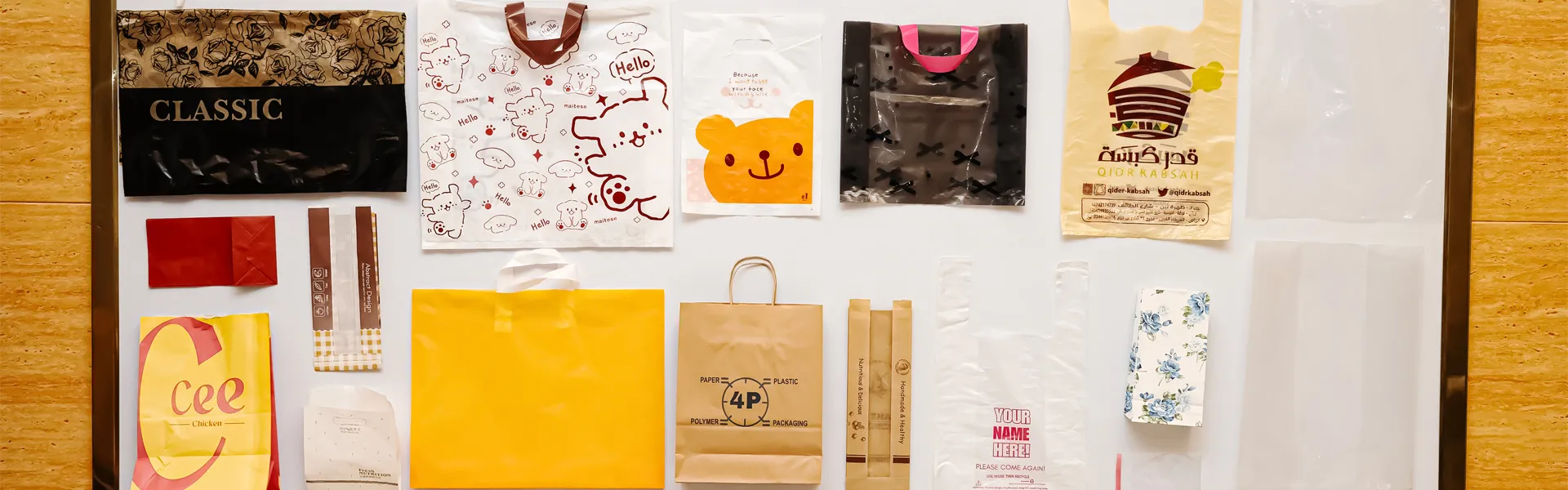
There are six main aspects to choosing the right Flat Bag Making Machine: film material and bag type, required output per minute bag type, sealing method, web width and bag size range, drive and registration system, and eligibility criteria.
If buyers check these points according to written specification sheet, they can reduce the risk of buying an unsuitable machine. Price alone is not enough. Machines rated 30-micron LDPE may not be able to properly seal 80-micron HDPE. Single-line machines may also not be able to meet the required daily production.
These factors also influence each other. A Wider film reduces sealing speed. Thicker film require more heat and sealing time. photoelectric registration is required for Printed film. Start with product demand. Machines that meet these requirements are then selected at the cost of production.
Actual functions of the machine
The flat-cloth bag maker turns a continuous roll of heat-sealing plastic film, such as LDPE, HDPE, LLDPE, PP or biodegradable compounds, into a finished flat cloth bag. The machine seals the bottom edge and cuts the film to the desired length. Depending on model and film type, the production speed is typically 30-150 bags per minute.
The central folding film enters the machine from a tension control unwinding machine. Then through the infeed rollers. The film reaches the seal and the temperature, pressure and sealing time form the bottom seal. Then separate each bag with a cutting system. This machine can be used with either a cold knife or a hot knife.
The flat bag is a simple two-dimensional bag with no gussets or handle. This simple design makes flat bags a staple of flexible packaging. The flat bag market is estimated to be worth about $22.8 billion in 2025, according to Grand View Research. Growth is expected to be about 4.5% a year by 2033.
Demand for flat bags has held steady in many areas. The machine you choose can influence your product range for years. Getting the specifications right is cheaper than buying a new Flat Bag Making Machine later.
Step 1: Match the machine to film and match
The first thing to be determined is the specification of the film material. It affects sealing temperature, blade type and tension settings. Low-density polyethylene is well sealed at 120-150°C and can adapt to small temperature changes. HDPE requires 130-165 degrees Celsius. It has a smaller temperature range. On a wider seal, the sealing time is shorter and the effect is best. Thickness of films is usually 8-100 microns. Machines with 10-35 micron shopping bags cannot reliably seal 60-micron industrial liners without changing the heating system.
If you plan to use synthetic or biodegradable membranes, please specify before purchasing. Compostable starch-blend and PBAT films were sealed at lower temperatures. They also scorch more easily than polyethylene. This machine needs better temperature control. An Independent PID zones with ±2°C stability is a good choice. Seals should also prevent material buildup when replacing different types of films.
Step 2: Calculate the output you actually need
Nameplate speed is different from the actual production. A Flat Bag Making Machine rated at 150 bags per minute typically uses a one-lane, shortest bag length and non-printed film. Printed film registered using photovoltaic trademarks can be up to 10–20% slower. The feed needs to be paused to print the tags in alignment. Longer bags can also reduce the number of bags per minute. Multi-lane machines can increase total production, but narrow bags are needed for each lane.
A common rule is to choose machines that run at a rated speed of 70 – 80% for the most difficult products. This means the longest bag and thickest film. Check that this speed still satisfies the maximum number of orders for a flight. Too fast operation speed, make up for the wrong volume selection, will shorten the service life of seals. It can also lead to more seal failures. Buying the right machine capacity from the start can help avoid these problems.
Step 3: Choose the Sealing and Cutting Method.
There are two main combinations of flat bag production:
| Method | Typical use | Key trade-off |
|---|---|---|
| Heat sealing + cold cutting | Printed flat bags, shopping bags, food bags | Clean edge, no film melt-back; blade wears and needs periodic sharpening |
| Heat sealing + hot cutting | Thin HDPE bags, high-speed runs | Seal and cut in one stroke for higher speed; edges fuse, limiting applications |
| Bottom sealing + perforation | Rolled bags, litter and produce rolls | Continuous roll format; requires winder and core or coreless winding |
Sealing width is an important detail. Seals of 2-3 mm are suitable for light bags with contents not exceeding 5 kg. Heavy duty bags require a seal of 5-10mm, making them more sealing power. If the machine will produce different types of bags, choose a model with adjustable sealing width or a replaceable sealing bars. Avoid machines with only one fixed seal.
Step 4: the Web Width and Bag Size Range
Page width set to maximum bag width. A 600mm machine can produce flat bags 600mm wide. When folded, it creates a a gusseted bag up to 300mm wide.
Servo-driven machines offer more bag-length flexibility. Operators can enter the length of the bag on HMI. A typical range is 150-1200 mm. Mechanical machines need to manually adjust the length of different bags. This reduces the operational efficiency of short production.
When comparing machines, check three numbers for each model: full maximum seal width, maximum sealing length and minimum bag length. The third number shows the flexibility of machines in actual production.
Step 5: Compare drives, registries, and toggles
Machines powered by mechanical cams cost less. They are suitable for long runs the size of a bag. Servo-driven machines cost 20–40% more. They may be a better option when orders often change the size of bags. The length of the bag can change from the control panel in seconds. The registration system can respond more quickly to printed changes. Speed changes are also relatively smooth, reducing pressure on the film.
For printed bags, opt for a photoelectric registration system. When the machine misses its target, the system should stop. This prevents a lot of miscut bags. It is also common on machines built in accordance with ISO 9001:2015 quality management practices. These systems require production parameters to be recorded at every run.
A specific number should be given for the Changeover time. Ask the supplier how many minutes it takes to change the size of two specific bags. The test included unwinder re-threading. Note the agreed changeover time in the purchase contract.
Step 6: Verify Compliance before wire deposit
There are three sets of requirements that affect whether your package can reach your target market.
First, check machine certification. CE marking is what Europe needs. Machines must also meet local electrical standards such as 380 V/50 Hz or 220 V/60 Hz. These requirements affect machine use and insurance.
Second, check product regulations. EU Single Plastic Directive 2019/904 restricts some traditional single-use plastic bags. It also imposes labeling requirements. That is why many European buyers now want machines capable of handling synthetic films.
Third is the inspection of material standards. If your bag will be claimed for ingredients in Europe, the film and finished bag must conform to EN 13432. The standard requires a biodegradation rate of at least 90% biodegradation within 180 days. It also needs to be broken down into fragments smaller than 2mm in 12 weeks. Heavy metal limits and ecotoxicity tests also apply. ASTMD6400 is the standard for synthetic plastics in the U.S. ASTM D6400. ASTM D6954 is used for some multi-stage environmental degradation claims.
Machine suppliers are not responsible for certifying these standards. Machines still influence results. Accurate temperature control and stable film tension help to keep the converted material under the conditions tested by the film supplier.
Frequently Asked Questions
What film thickness range should I require for? Specifies the full scope of the planned run. The range of 10-80 microns covers most retail and light industrial flat bags. Check the heating power of the machine, usually 4–11 kW, to handle the thickest film. Weak sealing bars is a common cause of thick-film seal failure.
How much floor space and power does a flat bag maker need? The machine is expected to cover an area of 3–8 meters and 1–2 meters wide. Depending on the width of the page and automation level, machines typically weigh between 800 and 2,600 kilograms. This machine usually needs a three-phase power supply. Pneumatic function pneumatic functions 0.3 – 0.6 MPa of compressed air. A stable, level floor is also needed.
Are used machines a reasonable shortcut? Yes, but only if you have a full history of service and have a test run with your own film. Sealing bars, heaters and servo drives are common wear and tear components. Most of the cost savings can be achieved by replacing all three devices on older computers.
Conclusion:
A suitable Flat Bag Making Machine is in line with your product plan. Check the type and thickness of the film. Check the maximum bag size at target speed. Check sealing method and width. If your order changes frequently, choose a servo drive. control system shall also provide accurate temperature and tension control for certified films.
Choose product requirements first. Second, choose machines. Then look at the price. This order will help you avoid buying the wrong machine. If you need help checking your specifications, the engineering team at cnzhuxinmachine.com can examine film samples and target outputs before recommending machine configurations. This is a low-cost way to check machine requirements before buying.


