

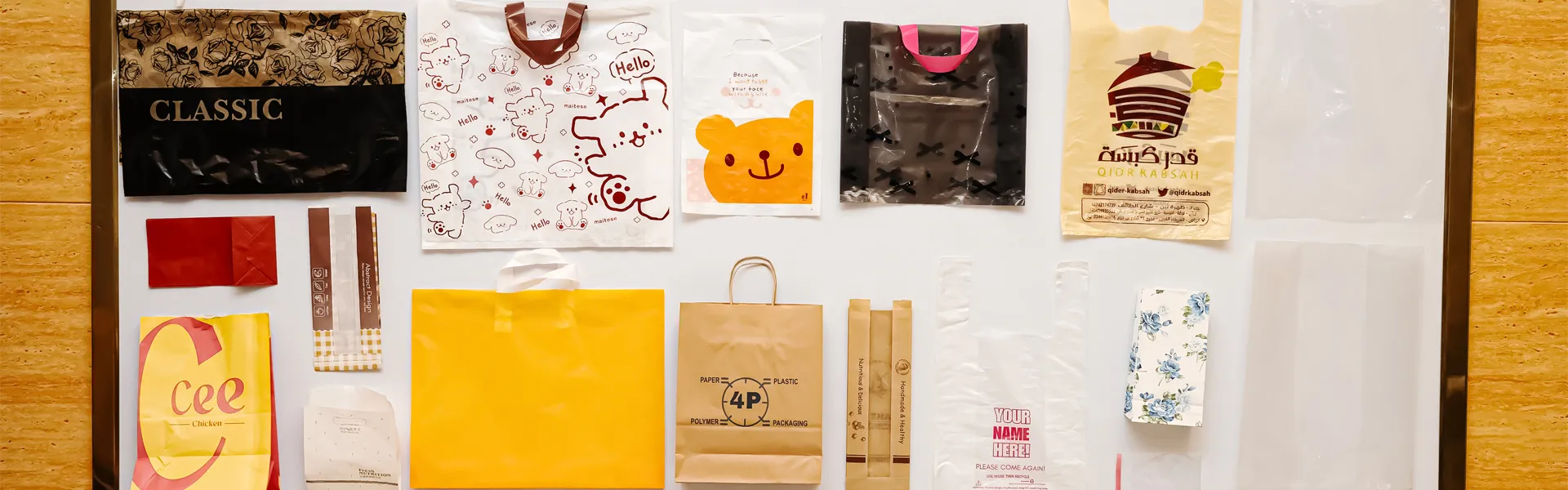
Biodegradable Bag Making Machine is a bagging production line based on biodegradable polymers. These include polylactic acid (PLA), polybutyl terephthalate (PBAT), polybutylene succinate (PBS), starch blends and polyhydroxane (PHA). It differs from a standard bag maker in that its main systems require more precise control.
The basic mechanical design is similar. It uses a coiling machine, a sealing system, a cutting system and a stacking system. The main difference is the control of these systems. Biodegradable films are sealed at temperatures ranging from 20 to 30 degrees Celsius. PE membranes can range above 50°C. The seal shall keep the temperature within + -1°C. The cooling roller must be quickly cooled and sealed. This helps prevent heat damage. Thin film pathways must also be kept dry, as these polymers absorb moisture.
Lines are typically 80 – 150 bags per minute. This is slower than a PE line of the same width. Seal times are typically 0.3–0.8 seconds. This gives the film enough time to form a strong seal that does not burn.
The bioplastic packaging bag market was estimated at USD 4.04 billion by 2024. According market data data compiled by Grand View Research tank, it is expected to grow at a rate of about 6.3% a year until 2033.
How it differs from Conventional bagging machines
The two machine types look similar. Both use rolls of film on a a shaft-fed unwinder, feed pull, heat seal, cutter and stacker or coil conveyor. The main difference came when biodegradable film reaches the PE seal.
PE is usually sealed at 150–200°C with tolerance + -5°C. PLA needs 110-140 degrees. PBAT requires 130-160°C. Starch blends needs 100-120°C. Only a temperature change of 3-5 degrees Celsius would be a problem. Low temperatures can lead to weaker seals. Heat can cause burn, discoloration or brittleness.
Biodegradable bagging machines require precise temperature control. multi-zone sealing bars with 3–5 independent PID-controlled zones. It also uses low-inertia cartridge heaters and Class-A thermocouples. These components can keep temperatures between + -0.5°C and + -1 ° C. The control system can read the machine speed and adjust heater power before each seal. This helps to keep the sealing temperature stable when the seal is in contact with the film.
Cooling is also important. Once the seal forms, cool the seal to about 10-20°C with a water-cooled cooling roller. This helps biopolymers cool quickly. It also helps prevent prolonged exposure to high temperatures, making PLA brittle.
Tension is another important factor. Biodegradable films have lower tensile strength and are easier to stretch. Roller pressure and brake release are usually 20 – 30% lower than PE. Servo-driven tension sensors keeps film tension stable. This helps prevent film from becoming narrower and thickness changes.
Production line process materials
| Material | Sealed windows | Dwell Time | Information on Handling |
|---|---|---|---|
| PLA | 110–140°C | 0.4 -0.8 ss | Hard and transparent; too quick to cool and brittle, and the risk of overheating is scorching |
| PBAT | 130–160°C | 0.3 -0.5s | Flexibility dominates shopping and bin bag recipes |
| PBS | 120–145°C | 0.4 -0.6s | Moderate flexibility, good heat resistance |
| Starch blends | 100–120°C | 0.4-0.7s | Sensitive to humidity; requires dehumidified film path |
| PHA | 110–140°C | 0.4 -0.6s | degradable grade; narrower |
The films on these machines are typically 20–80 microns thick. EN 13432-certified compostable bags are typically limited to 50 – 60 microns. Thicker films decompose too slowly and may not meet the standard's 12-week disintegration requirement. The machine must produce films with a gauge variation of less than 5%. This uniformity can be maintained by a tunable blowing film system with an automatic die centering.
Defining the Subsystems of Machines
Four engineering choices indicate that the production line is for biodegradable film, or only a modified PE machine.
Precision thermal systems. multi-zone PID seal with ±0.5–1°C temperature stability was adopted. Use low inertial heaters and PTFE-coated sealing bars coated with 0.1-0.2 mm. The coating helps prevent molten bioplastics from sticking to the rods. Without the coating, coke can accumulate in bars in hours. This reduces seal quality.
Forced cooling. Use a water-cooled roller at 10-20C. The roller should match the line speed. They cool the seal before the film reaches the cutter. Slow cooling hardens the PLA. It also adds cycle time. The control system shall regulate cooling according to the type of film.
Dehumidification and moisture management. PLA absorbs moisture. Humidity softens the polymer and lowers its melting point. This can create steam bubbles in the seal. A suitable machine can follow a temperature-controlled membrane path. It can also use an inline moisture sensor. The sensor detects films with a moisture content of above 0.5% and adjusts the sealing temperature.
Corrosion-resistant construction. Biodegradable polymers release acids when heated. Chrome chrome plating stainless steel shall be used for sealing surfaces, cutter housings and roller shafts contact film. Mild steel produces potholes during long-term production. These surface defects can then be transferred to the membrane.
Speed, throughput and the Certification Constraint
Biodegradable bagging machines typically have an operating time of 80–150 BPM. This is slower than similar PE lines, which can run at 150–300 BPM. The main limitation is sealing time. The seal takes 0.3–0.8 seconds of contact to form a solid connection. Therefore, the speed of the machine is limited by the time of sealing, not just the speed of servo.
Servo-driven machines with programmable pressure control and pulse sealing can improve speed. Pulse seal heats the rod only when it comes into contact with the film. The uniformity of film thickness uniformity can be affected by a certified membrane with a Speeds exceeding 150 BPM. This will make it more difficult to meet EN 13432 requirements.
The size of the biodegradable bag duster pipe should be determined based on the daily production required. Don't choose a Biodegradable Bag Making Machine based solely on its physical size.
Machine-Supported Compliance
This machine can't prove the quality of the bag. Film suppliers and accredited laboratories processing certifications. The machine still affects whether the certification membrane maintains its required performance after conversion. Three criteria affect production requirements:
EN 13432 (European industrial composting): This standard requires at least 90% biodegradation within 180 days. It also needs to be broken down into fragments smaller than 2mm in 12 weeks. Heavy metal limits and ecotoxicity tests also apply. Thickness and uniformity of film will affect disintegration result.
ASTM D6400 and ISO 17088: This is U.S. and international standard for synthetic plastics. Their conformation requirements are similar.
EU Single Use Plastic Directive ((EU 2019/904): This directive restricts some traditional single-use plastic bags. This has also increased demand for synthetic bags in Europe. As a result, many converters need Biodegradable Bag Making Machine models that can handle PBAT and PLA without contaminating certified materials.
Production lines following ISO 9001:2015 quality management practices can provide useful production records. PLC recipe storage, batch parameter recording and seal strength tracking help show process consistency during audit.
Frequently Asked Questions
Can a biodegradable bag maker run traditional PE? Yes, but with some restrictions. Machines must support the correct temperature range and tension settings for biodegradable films. Seals, chill rollers and film paths must be cleaned before materials are replaced. This helps prevent contamination of qualified synthetic films. contamination problem can affect the certification of entire production batch. Converters serving both markets typically use separate Biodegradable Bag Making Machine lines for biodegradable bags. This reduces the risk of contamination.
What kind of electricity and utilities does the line need? Estimated installed capacity 15 – 30 kW. This machine needs a three-phase power supply. It also requires a cooling roller coolingwater system set to a temperature of 10-20 degrees Celsius. 1.5 – 3 bar Compressed air for pneumatic nips and perforation units. When ambient humidity is above 50%, a thin-film path dehumidification system is recommended.
How often do seals need to be cleaned? They require more frequent cleaning than PPE machine seals. Biodegradable polymers are easier to coke and stick to. A PTFE-coated bar with active cooling can usually run for 4–8 hours between cleaning cycles. An uncoated bar may need to be cleaned every 1–2 hours. This makes the adhesive coating an important mechanical property.
Conclusion:
The basic design of biodegradable bag maker is the same as that of traditional bag maker. It requires more precise temperature control, forced cooling, moisture control and corrosion resistant components. The sealing temperature range of Biodegradable polymers is smaller than polyethylene. They also need to be more carefully controlled during production.
The Biodegradable Bag Making Machine is chosen according to the film material, required certificate and sealing time. Check these points before choosing the price or size of the machine. If you need a specification review for a PBAT, PLA or starch blend, the engineering team at cnzhuxinmachine.com can examine material samples and target outputs before recommending machine configurations. This avoids the problem of PPE machines not sealing composite films correctly.


