

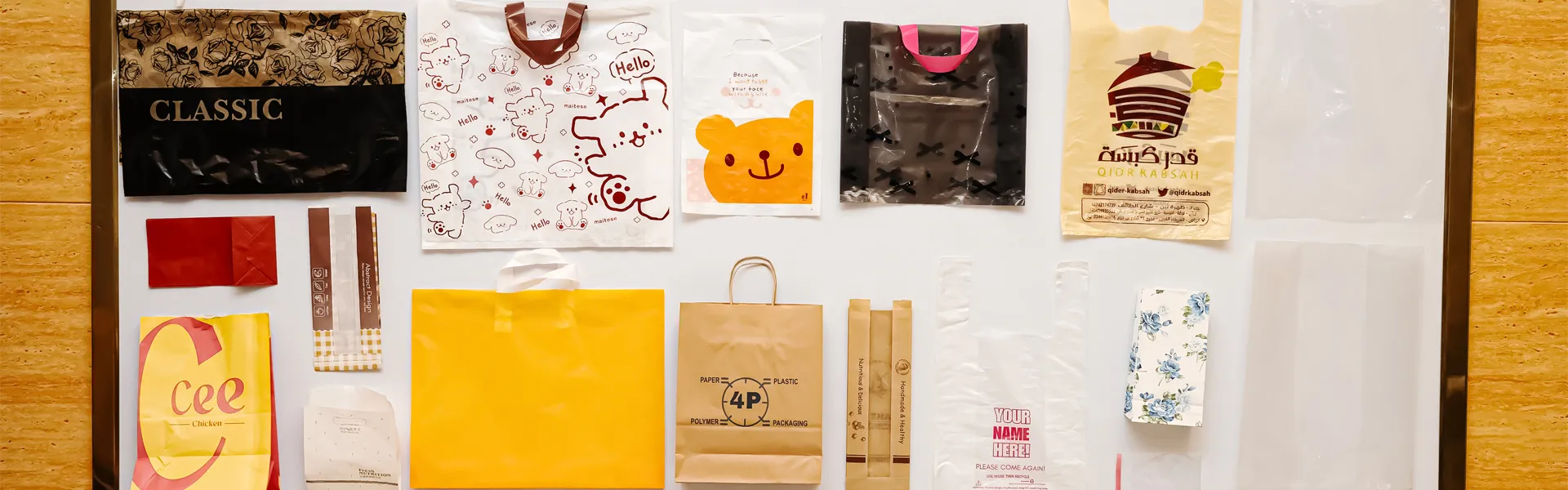
Efficiency and automation are the basic needs in flexible packaging manufacturing. They're not optional extras. Among the different machines driving the field, bagging machines have become a key solution for the continuous production of many plastic bags. Unlike the old bag machine, which only produced individual slices, the machine was made of perforated rollers. The difference is not just literal. It shows how packaging materials are made, stored, transported and used in factories and shops has changed dramatically. It is important for manufacturers and buyers in the modern packaging industry to understand the technical details, working principles and marketing reasons behind the machine.
Defining the Technology and Operational Mechanics
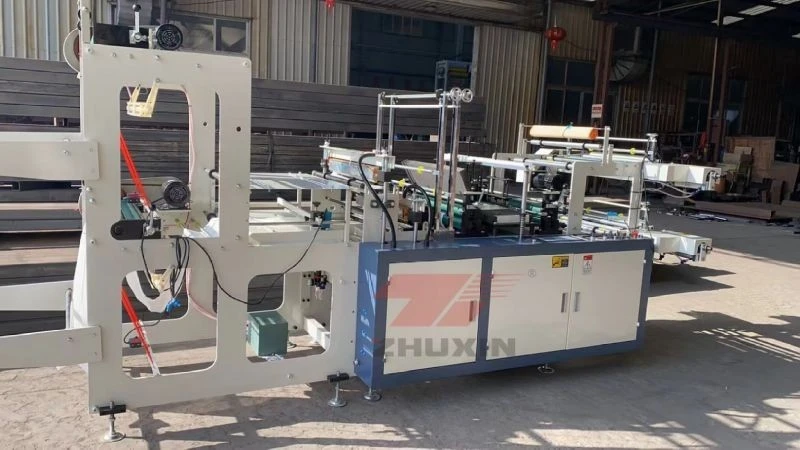
At its core, a Bag On Roll Making Machine is one complete converting system. It works by turning flat or tubular polyethylene film into continuously rolling bags with tear lines. This process starts with an unwinding station. The station fed the original piece into the machine with a controlled pull. The film then passes through the sealing unit. The device uses a heating rod or impulse sealers. It makes the bottom or side of the bag sealed on the basis of the design. After sealing, the film enters a perforation unit. There, sharp blades sliced through the tear lines at set gaps. Finally, a continuous web wound around a core. Tension is well controlled to keep roll density uniform and prevent roll displacement during transport.
Modern machines are advanced in timing. New servo-driven systems replaces the old mechanical parts. These systems allow for changes in sealing heat, perforation gaps, and winding tension without stopping the line. This control is set up for industrial-grade machines in addition to basic converters. Technical documents from the Flexible Packaging Association say the addition of phase lock rings to bag converters has increased average production speeds by over 30%. It also reduces material waste by about 15% compared to older mechanical systems [1]. This change in technology means that when buyers look a bag maker, they check not just the speed of the machine, but also the intelligence of the control system that runs it.
Compatibility and diversity of materials
One of the advantages of this technology is that it works with different plastic materials. Low-density polyethylene (LDPE) remains the most commonly used material. This is because it has a good thermal seal and flexibility. However, newer machines now also need to process compostable bioplastics such as linear low-density polyethylene (LLDPE), high-density polyethylene (HDPE) and PBAT and PLA mixtures. Each material has its own challenges in terms of sealing start temperature, insulation time and cooling requirements.
Biodegradable films, for example, often have stricter processing restrictions than conventional plastics. As a result, they need more precise heat control to get a strong seal rather than a burning membrane. Machine manufacturers responded by producing adjustable heating systems and better cooling rollers. These are specifically designed for these sensitive materials. Research from the Biodegradable Products Institute has shown that correct mechanical set-up for composite films can reduce seal failure rates from 8% to less than 1%. This makes automated roll production cost-effective for sustainable packaging lines [2]. Therefore, when purchasing cloth bag roller molding machine, it is essential to check the compatibility of materials. Buying and replacing thermal systems is often too expensive.
End-Use Applications Drive Market Demand
The proliferation of such mechanisms is directly related to changes in consumer demand and new rules in different industries. In food retailing, bags of rolled produce can now be found in supermarkets around the world. This is due to hygiene concerns and the need for lightweight, space-saving packaging. The roll format allows stores to store thousands of bags in a small space. It also allows customers to quickly remove one bag at a time.
In addition to grocery stores, e-commerce shipping has become an important driver of economic growth. Shipping centers use packets of rolling polyester mail, protectively packed inside, and return to the shipping bags. The roll format is ideal for automatic packing stations. There, machines pull and cut bags as needed. This saves the hassle of dealing with individual pre-made bags. In addition, perforated roll bags for organic waste collection have been standardized in municipal waste programmes throughout Europe and North America. This creates a demand for institutional stability. According to data from Smithers Packaging Research, the global demand for soft packaging rollers grew at an annual rate of 4.2% from 2019 to 2024. Bagged formats account for a large share of this growth due to their transport and storage benefits [3]. For manufacturers, investing in a reliable Bag On Roll Making Machine directly supports these high-volume, space-efficient applications.
Quality Control and Performance Metrics
To check the output quality of a bag maker, you need to know a few key steps, not just speed. Seal strength is everything. Poor sealing can lead to product losses and customer complaints. Too much heat can easily cause brittle points to tear. New machine has a built-in vision inspection system. These systems monitor seal consistency and perforation alignment real time. They automatically reject bad sections or warn operators of changes in settings.
Reel quality is also important. Curls with bad edges can have problems such as bristles, elongation and uneven edges. These can cause problems when using a roller later on. Taper tension control algorithms is the standard control algorithm for high-end machine tools. These automatically adjust the force of the winding as the roll gets bigger and bigger. This keeps the formation pressure even. A Static elimination systems also required. They stop film from sticking together and make sure to clean the tear in the perforation line. ASTM F2029 test method provides a standard method for checking the strength and peel properties of flexible packaging seals. These are benchmarks for machine performance based on industry norms [4]. Homebuyers should be required to provide test reports that meet these criteria. They should not just take the word of suppliers. When evaluating a Bag On Roll Making Machine, buyers must prioritize these quality metrics over simple speed ratings.
Sustainability Considerations and Future Trajectories
Environmental rules are changing the way machines are designed. Extended producer responsibility schemes and plastic taxes are driving the growth of films and more recycled materials. Both require higher processing accuracy. Films require faster seal cycles and gentler handling. This avoids stretching and wrinkling. As a result, engineers have created light-touch transportation systems and more sensitive thermal controls. Recycled polyethylene causes changes in melt flow and dirt levels. This means better filters and adjustable processing settings are needed.
Looking ahead, the combination of digital tools and sustainability will shape the next generation of transformational machines. Predictive maintenance using IoT sensors will reduce unplanned downtime. It would also reduce energy use per kilogram of output. Digital printing is built into the conversion line, which will allow custom design without separate printing steps. This reduces the complexity of the entire supply chain complexity. As the rules of the circular economy got more stringent globally, the ability of baggers to handle post-consumer recycling content and new bioplastics will be a major factor in their long-term value. The modern Bag On Roll Making Machine must therefore be evaluated not only for today's production needs but also for its adaptability to recycled and bio-based inputs. Stakeholders focused on this flexibility will be better equipped to respond to regulatory and market changes over the next decade.
Reference
[1] Flexible Packaging Association (2023). Soft the Flexible Packaging Industry Report status report: trends in technology and automation. FPA Technical Publications.
[2] Institute of Biodegradable Products (2022). Processing guide for Compostable Films in Converting Equipment. BPI Technical Standards Committee.
[3] Smithers (2024). The future of Global Flexible Packaging by 2029. Smithers Information Services.
[4] ASTM International (2020). ASTMF2029-20: Standard guidelines for the proper storage and handling of flexible packaging materials throughout the system. ASTM Standards Database.


