

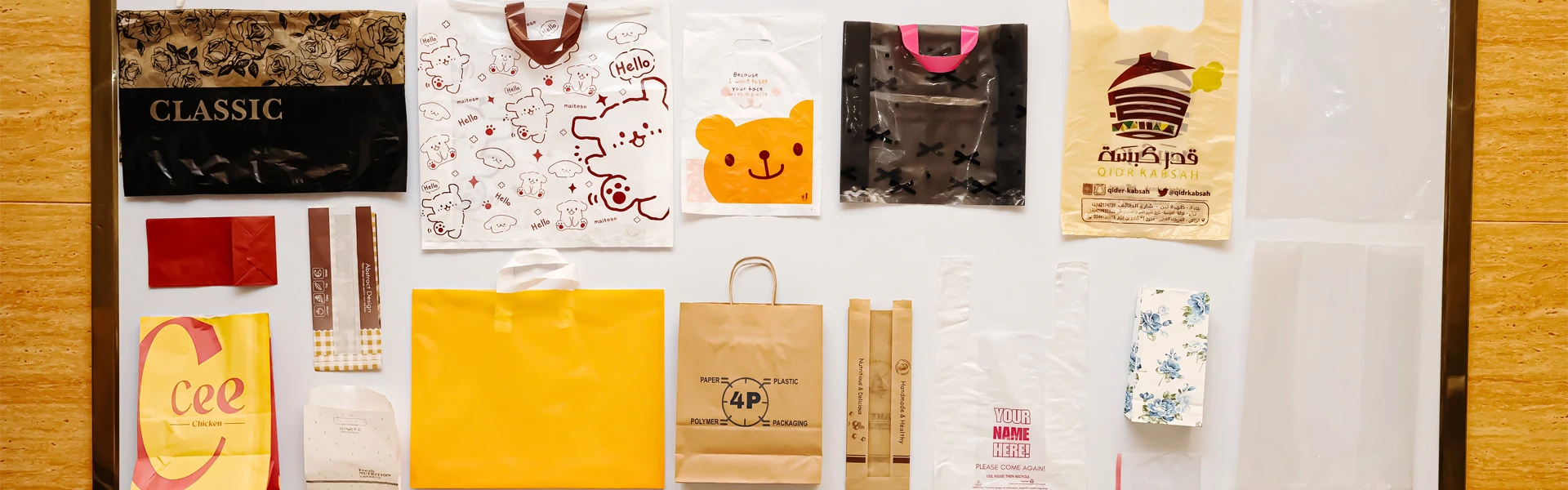
The packaging industry is growing rapidly, and new ways of bagging have made it easier to store and move items. Plastic bags are used every day in supermarkets, hospitals and homes. The main machine behind all this is the industrial roller bag maker.
This guide explains how these machines work, the different types available, new technology trends and how to choose the right machine for your business.
What is a tumble bag maker?
Bagging machine is a kind of machine that produces plastic bag for reel. It requires long plastic tubes made from HDPE, LDPE or plant-based plastics. It then seals the bottom, makes small cutting lines, folds plastic and rolls into a single roll.
This machine adopts continuous perforation and rewinding technology, which is different from the old single-bag bagging machine. This means users can easily tear a packet down the dotted line one at a time. Because of this convenience, these bags are used in many places:
Stores and supermarkets: Production bags, flat bags, and handling bag rolls.
Home: Trash bags, drawstring bags, and sturdy bottom sealing bags.
Hospitals and factories: medical waste bags and widget bags.
How machines work step by step
A good bag-rolling machine uses several parts to work together to run faster and error-free. Here's a simple process:
[unfurls plastic] [controls pulling and changing wires] Start [heat seal]
1.Unroll plastic
Plastic rolls rested on a metal rod. When the drum gets smaller, the machine automatically controls the pull so the plastic doesn't stretch or break. That way all the bags are the same size.
Find Seals and Seals
If there are pictures or words on the plastic, special sensors will read the markings on the film. This will keep the wound in place. The heating tool Next presses down on the bottom of the plastic to create a strong seal.
Production of Tear Line
Sharp metal blade presses a row of small holes in the plastic. The cuts had to be precise so they would stay together as they were rolled, but when someone ripped the bag off, the tears came easily.
Roll and replace scrolls
When a roll reaches the target number of bags, modern Roll Bag Making Machine models cut the film and start a new roll instantly without stopping the machine.
ey Types of Bagging Machine
Different jobs require different types of bags. There are four main types of machines:
Coreless Bag Machines
Features: No paper or plastic tubes in the middle of the bag roll.
Advantages: Savings in material and transportation costs, better for the environment.
Purpose: Standard trash bags and grocery rolls.
Core Pocket Duster
Features: The machine wraps plastic bags around paper or plastic tube.
Strengths: The reels are sturdy and easily fit in a store dispensers.
Purpose: Pet waste bags and warehouse display racks.
Star-Seal Bag Machines
Features: The plastic folds in a special way before sealing the bottom.
Strengths: Star seal evenly disperses weight, making the bag very sturdy and leakproof.
Uses: Heavy duty trash bags and liquid waste bags.
T-Shirt Bag Machines
Features: This machine can be rolled to cut the shape of the handle into bags.
Pros: Portable handle combined with easy rolling.
Purpose: Supermarket fruit and vegetable sections.
Things to look out for when buying a machine
If you want to buy a roller bag maker, check out four key points:
Speed and number of lines
Old machines can only produce one bag at a time, while new models can produce two or four bags at a time. This allows for the production of thousands of bags per minute, reducing labour costs. A high-performance Roll Bag Making Machine should be evaluated primarily on its multi-lane output capability.
Ability to use environmentally friendly materials
Stricter government rules on plastics have led more companies to use biodegradable materials or recycled plastics. These materials melt at different temperatures, so the machine needs good heat control and a smooth pull system so they don't damage the plastic.
Automatic Controls and Error Checks
Modern machines have simple touch screens that allow operators to easily set length, speed and temperature. Many machines also have smart sensors that automatically stop working if the bag isn't sealed properly or if the plastic is jammed.
| Features | Old machines | Modern Bagging Machine |
|---|---|---|
| How it works | Basic motors and gears | Advanced Motor (Servo) |
| Scroll change | Machines must be stopped manually | Automatic volume change |
| Pulling control | Manual settings | Computer auto-set |
| Plastic waste | Higher Waste (3% -5%) | Very low waste (less than 1%) |
When comparing models, buyers should request validation data on waste rates, as a superior Roll Bag Making Machine will consistently deliver below 1% material loss.
Disability Conclusion:
An industrial-grade Roll Bag Making Machine is far more than just a mechanical cutting device; it serves as a core productivity driver within the modern plastic packaging and eco-friendly bag manufacturing supply chain. Whether transitioning to a core-free, eco-friendly roll bag or adopting a biodegradable production line, choosing devices with high-precision servo systems, reliable underseal capabilities and automatic roll changing is critical for enterprises looking to reduce costs and efficiency in a competitive packaging market. Ultimately, the right Roll Bag Making Machine aligns production capacity with sustainability goals and operational reliability.


