

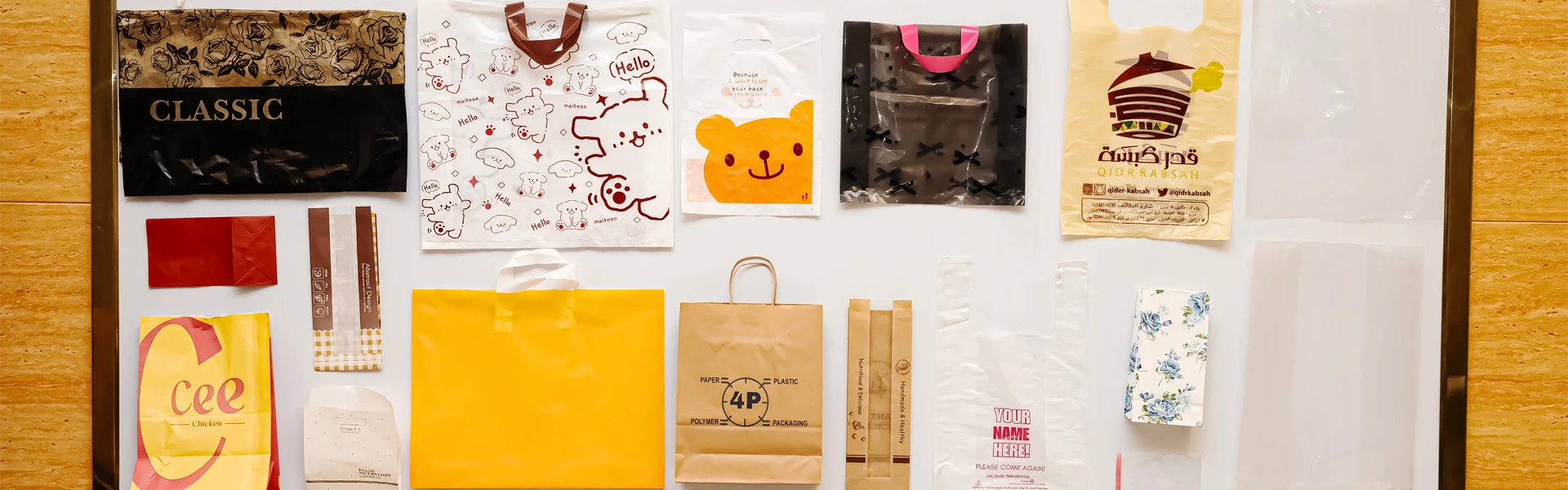
Bagging machines are sorted by sealing sits, while "bottom seal" refers to a home that covers most of the items actually used in supermarkets, kitchens and janitorial closets. If you're buying a machine and want the widest range of products per machine, this is usually the framework to look at first-and the easiest to discover its limits after delivery. This article lists the type of bag produced by the Bottom Seal Bag Making Machine, the additional sites required for each type, as well as the structural stopping points and the different machine starting points.
Why "Bottom Seal" Means and Defines Scope
The bottom seal line seals the film with a a crosswise weld at the bottom of the bag and then cuts the bag free-a single weld position that determines what the bottom seal maker can and cannot make. The weld was the width of the entire spider web; whatever the final shape, each bag on the weld was the same shape. Pocket length is determined by servo pull rather than overalls, so the same machine moves from a 200mm production bag to a 900mm lining as a recipe change, accurate to about ±1 mm.
Single geometry explains both scope and limit. Because the seal is structural and full-width, the machine is adept at hanging or standing on bags at the bottom: pouches, linings, garbage bags, anything that wraps around a scroll. Because the seal is only on the bottom, the carrier for side seals-vest T-shirt bags and die-cut shopping bags-doesn't require side welds, which is a different robotic family. Confusing the two is the most expensive mistake of the purchase: a buyer ordered a bottom-sealed frame in the hope of making carrier bags buy the wrong structure, rather than an incomplete list of options.
Everything else in the range comes from what's added around cross-sealing: gusset folding, perforations, rollbacks and star-seal tooling.
Flat Pouches and bags on Perforated Roll
The core product is a flat pouch: a two-dimensional bag sealed at the bottom and open at the top, running a film gauges roughly 20 to 60 microns of LDPE, HDPE or polypropylene. Depending on the length and thickness of the bag, the speed is 40 – 100 bags per minute, and the sealing required for the thick film is the main rate limiter.
Add a perforating wheel and a reel station, and the same output becomes the bag on the punch roll-the format used by supermarkets to make bags, bread bags and bag rolls. Cylinder folding machine (C fold or Z fold), with bags per roll, perforates at a certain pitch, with a wind speed of 15–30 rolls per minute as the sealing line moves forward. There are three acceptance points for this series: perforation position (which must be torn at the beginning of the next bag, within about ±2 mm), count of bags per roll (±1 bag), and roll tightness-roll wound loose binoculars inside the distributor box, a defect that end users actually see.
Seal strength is the home quality of the door, as cross-sealing is the bag's only structural weld. It is validated by ASTM F88, the standard peelingtest method for flexible barrier materials, with control line maintaining an average seal force throughout the tight range of displacement. Weak bottom seals track temperature drift, jaw contamination and pressure loss in frequency order-all maintenance issues, not mechanical design issues, which is why the history of the machine you buy is as important as its specifications.
Garbage Bags: lithography, offset printing, star printing
Garbage bags are usually the most profitable products produced on bottom seals, which come in three structures and come from the same base weld.
Flat bag is a flat plate: a crosswise weld at the bottom, and length of the bag is set according to the formula. Simple, quick and built behind most kitchen catchers and small cushions.
The plastic bag adds a side gussets to fold before sealing, giving the bag deep enough that it stands open in a bin rather than pre-formed by hand. Gusset depth is typically 50-100mm, and foldable cushions are added cushioning positions; foldable cushions can also become leak path, so sealing positioning tolerances are more important here than on flat bags.
Star-shaped sealing bag - the structure on the advanced cleaning lining - welds the tube base through eight or more points to create a flat, leakproof base that distributes load evenly across the bottom of the box. Star Base requires an additional sealing station and increases cost of each bag; the reward is strength, as a star-seal base resists point-load concentration in the unit seal. Factories are selected by grade: flat seals for bulk retail, star seals for cleaning and organization, where bags are sold with burst resistance.
In all three cases, the film is thicker than food packaging-usually 25 to 80 microns-and the machine must maintain seal force on the gauges, which is where jaw pressure and housing codes separate industrial-grade and lightweight frames.
Commodities, Liners and Specialty Formats
Two further formatted circles within the range of the Bottom Seal Bag Making Machine. Merchandise bags with holes-flat bags on metal holes in the handmade packing lines-are bottom seals with punch station; holes must fall within ±2mm of the stack position or shelf blockage. Sheets and bushing (box liners, drum liners, furniture cover) are just bags that aresealed at the bottom, open at one end or the other, and cut to length. If a plate is ordered instead of a bag, the same frame runs as the sealing temperature dropped or bypasses the seal, acting as a cutting line.
With the right add-ons, special variants are further extended to factories: when machines are specified for different residence times at lower seal temperatures and biodegradable resins, composite film liners produced on the same frame are validated according to compostability standards such as ASTM D6400 or EN 13432, rather than being invented in a workshop. It is important to note that the properties of the film-sealing temperature windows, melting strength-are sufficiently different from traditional PE and composite mixtures that machine specification should list the type of film it needs, rather than assuming they are universally compatible.
Where the Architecture Stops-and how to choose
Bottom Seal Bag Making Machine does not produce side sealing carrier, no rewinder machine does not produce reels. Before comparing offers, list the types of bags your order actually contains and check them one by one according to configuration: pouches that don't need extras; rolling bags that need perforations and windings; gusseted and star-seal liners that need folding and extra seal station; wall bags that need holes. Each site you add widens the scope and lengthens the transition between product lines, so the right machine is the one whose list of options matches the order, not the one with the longest feature table.
Contrary to intuition, range comes at a price when it works. Frames built for six product lines take longer than dedicated lines to convert in a week, and changeover minutes are where multiformat factories lose capacity. If you focus your volume on one or both formats, a faster, simpler machine will outperform a slower multiplayer machine; the multiplayer premium will only be paid if the order genuinely spins.
Frequently Asked Questions
Can a bottom seal machine be a T-shirt carrier bags?
No, T-shirt bag was side sealed - welds on both sides of the bag - a different machine structure. Bottom sealing frames make pouches, liners, garbage bags and rolling stock; buying its carrier bags is one of the most common construction errors in this market.
What's the difference between flat-pack and star-pack?
Flat seal is a single lateral weld on the base-fast and cheap. Star-shaped seal welds the pipe through eight or more points to a flat base, spreading load across the bottom of the box and preventing spot-loading leaks. Star needed an extra sealing station, and it cost more per bag; that is the standard for an premium janitorial grades.
What additional sites do I need to process packages on volume?
A perforating unit with a cloth bag pitch, a rewinding station with C-or Z-folding capability, and a batch counting. Check three acceptance points before purchase: perforation position within ±2 mm, counting accuracy is within ±1 bag / roll, and roller tension control is strict enough to prevent expansion in the distributor.
Source of information
ASTM F88/F88M-Standard Test Method for Seal Strength of Flexible Barrier Materials.
ASTM D6400 -Standard Specification for Compostable Plastics (Compostable liner configurations).
EN 13432 – Requirements for recyclable packaging through composting and biodegradation.
ISO 9001: 2015 process control control and documentation Quality management.
Machinery Directive 2006/42/EC 42 / EC --European Union mechanical safety requirements.
Grand View Research plastic bag and sack production market data.


