

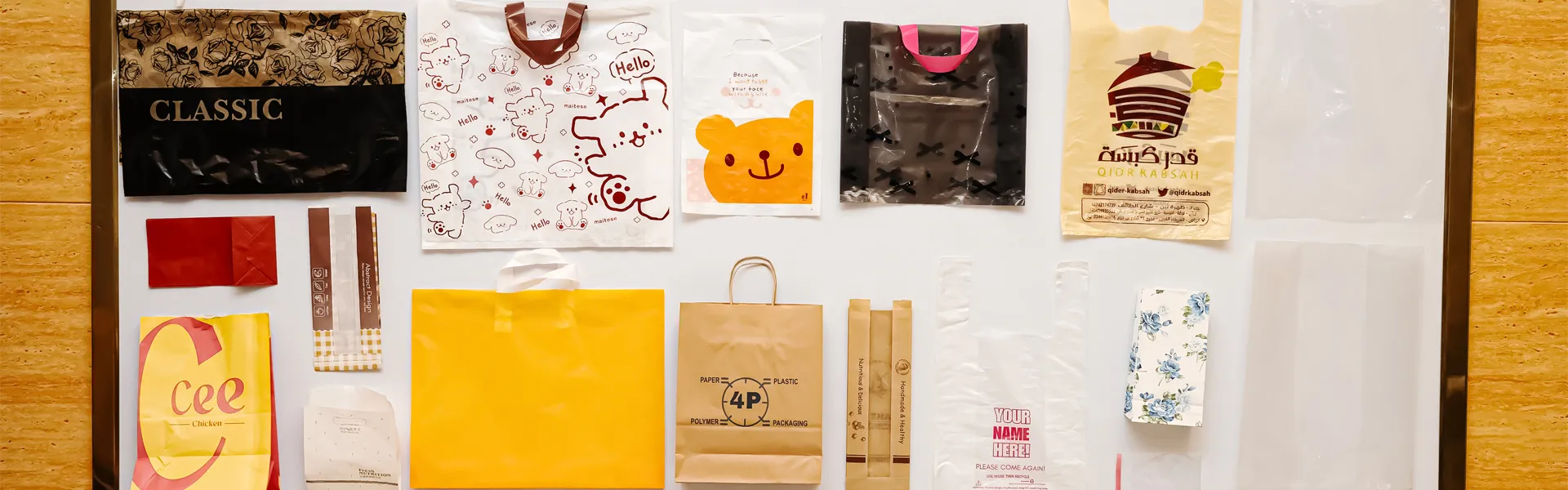
You use a single-screw double-die film blowing machine to change raw plastic into thin films. These films are used for packaging and other things. The machine has one strong screw. This screw melts the plastic and pushes it through two die-heads. This lets you make more film at the same time. When you use a single-screw double-die film blowing machine, you can make bags for fruits and vegetables. You can also make biodegradable bags. The single-screw double-die film blowing machine works well in places that need to make a lot of film. It is good for making films with different thicknesses. If you pick a single-screw double-die film blowing machine, you join a market that is getting bigger. Blown-film extrusion is over 31% of the plastic extrusion machine industry. The single-screw double-die film blowing machine helps you make many kinds of bags. You can make thin fruit bags or thicker shopping bags.
Key Takeaways
- A single-screw double-die film blowing machine makes thin plastic films fast. It uses one screw to melt plastic. It has two die-heads to make two film bubbles at the same time.
- This machine can make many kinds of films. You can use it for food packaging, for factories, and more. You can change the settings to get different film thicknesses and features.
- Using this machine saves energy and money. It uses less power, so your bills are lower. This helps your business grow.
- Regular care is very important for the machine to work well. Checking and cleaning it often stops problems and keeps the film good.
- Knowing the machine parts and how it works helps you make more film. If you know each part, you can fix problems and make better film.
Single-Screw Double-Die Film Blowing Machine Components

When you use a single screw double die-head blown film machine, you work with several important parts. Each part has a special job. The table below shows the main components and what they do:
|
Component |
Function |
|---|---|
|
Extruder unit |
Melts and processes materials like LDPE, HDPE, and LLDPE into a film. |
|
Rotary inflation head |
Inflates the molten film into a bubble shape using a die head and air. |
|
Take up unit |
Collects the film bubble and controls the speed of film taking off. |
|
Double winding station |
Winds the finished film into rolls for storage and further processing. |
|
Control Panel |
Manages temperature, motor speeds, and monitors the machine's operation. |
Single Screw Extruder
You start with the single screw extruder. This part moves plastic pellets from the hopper into the machine. The screw rotates and pushes the pellets forward. As the pellets move, they heat up and melt. The extruder mixes the melted plastic so you get a smooth and even flow. In a single screw double die-head blown film machine, this step is key for making strong and uniform films.
Double Die-Head System
The double die-head system lets you make two film bubbles at once. You use one screw but two die-heads. This design increases how much film you can make. You save energy and space in your workshop. The single screw double die-head blown film machine uses high-quality steel for the die-heads, so you get better film quality and longer machine life.
Tip: The double die-head system in a single screw double die-head blown film machine helps you boost production and lower costs.
Cooling and Air Ring
After the film leaves the die-heads, it needs to cool quickly. The cooling and air ring system blows air around the film bubble. This keeps the bubble stable and helps the film cool evenly. When you use a single screw double die-head blown film machine with a dual lip air ring, you get films with very even thickness and better quality.
- The air ring keeps the film bubble steady.
- It gives even air flow for smooth and strong films.
Winding Unit
The winding unit collects the finished film and rolls it up. You can set the speed and tension to match the film type. In a single screw double die-head blown film machine, the winding unit can handle speeds up to 1000 feet per minute for some films. Good tension control means your film rolls stay neat and easy to use.
Control Panel
You control the whole single screw double die-head blown film machine from the control panel. The panel lets you set temperatures, motor speeds, and winding options. Many machines have touchscreens for easy use. Automatic features help you keep film quality high and reduce mistakes. You can also monitor the machine in real time and make quick changes if needed.
Note: Modern control panels in a single screw double die-head blown film machine help you save time and improve safety.
Blown Film Extrusion Process
Image Source: unsplash
The blown film extrusion process in a single screw double die-head blown film machine transforms plastic pellets into strong, flexible films. You follow a series of steps to get high-quality film rolls. Each stage in the process shapes the final product and affects its properties. When you use a single screw double die-head blown film machine, you can produce more film in less time. The dual die-heads let you create two film bubbles at once, which boosts efficiency and gives you more options for film thickness and strength.
Material Feeding and Melting
You begin the blown film extrusion process by selecting the right plastic resin. Most operators choose polyethylene, either high-density or low-density, because it is lightweight, flexible, and has excellent impact resistance. Polypropylene is another option if you need different properties. You pour the plastic pellets into the hopper of the single screw double die-head blown film machine. The screw inside the extruder pulls the pellets forward. As the screw turns, it heats the pellets until they melt. The melted plastic becomes a thick, even flow, ready for shaping.
- Common plastics for blown film extrusion:
Polyethylene (HDPE, LDPE)
Polypropylene
Other specialty resins
Tip: Always use clean, dry pellets to avoid defects in your film.
Film Formation with Double Die-Heads
Once the plastic melts, the single screw double die-head blown film machine pushes it through two circular die-heads. This step is where the blown film extrusion process creates the film bubbles. Each die-head forms a seamless tube of molten plastic. You introduce air into the center of each tube. The air inflates the tubes, turning them into bubbles. The dual die-heads mean you get two bubbles at the same time. This setup increases your output and lets you make films with different thicknesses or properties in one run.
Here is a step-by-step look at this part of the blown film extrusion process:
- The extruder pumps molten plastic to the die-heads.
- Each die-head shapes the plastic into a tube.
- Air enters the center of each tube, inflating it into a bubble.
- You control the size and thickness by adjusting air pressure and die gap.
The single screw double die-head blown film machine gives you flexibility. You can change settings for each die-head to make films for different uses, such as thin produce bags or thicker industrial liners.
Cooling and Bubble Stabilization
After the bubbles form, you need to cool them quickly. The single screw double die-head blown film machine uses air rings to blow cool air around each bubble. This step in the blown film extrusion process is critical. If you cool the film too fast or too slow, the bubbles can lose their shape or develop weak spots. You adjust the cooling rate by changing the air ring position, air volume, and temperature.
- Key points for cooling and stabilization:
- Place the air ring at the right height for your film type.
- Use enough air to cool the bubble but not so much that it shakes.
- Keep the air temperature steady for even cooling.
A stable bubble means your film will have even thickness and fewer defects. The single screw double die-head blown film machine lets you fine-tune these settings for each bubble. This control helps you get the best results from your blown film extrusion process.
Note: Adjusting the cooling rate is crucial. Too much cooling can make the bubble unstable, while too little can cause uneven film.
Film Haul-Off and Winding
Once the bubbles cool and solidify, the single screw double die-head blown film machine collapses them into flat films. Rollers guide the bubbles into a lay-flat shape. The haul-off unit pulls the film at a steady speed, which keeps the thickness even. You then wind the film onto rolls for storage or further processing.
To get the best rolls from your blown film extrusion process, follow these best practices:
- Start winding tightly at the core, then loosen tension as the roll grows.
- Use oscillation during winding to spread out any thickness variations.
- Check roll hardness often. Rolls wound too tight can buckle, while rolls wound too loose can go out-of-round.
The single screw double die-head blown film machine makes it easy to adjust winding speed and tension. You can set different parameters for each film roll. This flexibility ensures you get high-quality rolls every time.
Tip: Good winding practices prevent defects like bagginess, corrugations, or out-of-round rolls.
The blown film extrusion process in a single screw double die-head blown film machine gives you control at every step. You can adjust material, temperature, air, and winding to match your needs. With dual die-heads, you double your output and can make films with different properties in one run. This process helps you meet the demands of packaging, agriculture, and industry with speed and precision.
Advantages of Single Screw Double Die-Head Blown Film Machine
Higher Output and Efficiency
You can make more film in less time with this machine. It lets you run two film bubbles at once. This means you make double the film without two machines. You save space in your workshop. You finish big jobs faster. The machine keeps working without many stops. You do not waste time fixing problems. Many factories pick this machine to keep up with lots of orders.
Versatility in Film Properties
This machine lets you make many kinds of films. You can make films for food, industry, or medical use. It works with HDPE, LDPE, and LLDPE. You can change settings for strong or flexible films. You can also make films with special barriers. This helps you meet what different customers want.
- Makes products last longer
- Keeps food fresh
- Blocks air and moisture well
- Can be used for farms, food, and factories
- Built to be strong and flexible
You can use this machine to make films for:
- Food wrapping
- Factory uses
- Farm work
- Medical needs
Energy and Cost Savings
This machine helps you save money. It uses less energy than some other machines. Most use between 10KW and 30KW. Using less energy means lower bills. Over time, you save more money. This helps your business grow.
Tip: Pick a machine that uses less power to save money each month.
Comparison with Other Blown Film Machines
This machine is different from other film machines. You get more film and more choices. It uses less energy, so you save money. You need less space and fewer workers. If you want a simple machine with many options, this is a good choice.
Applications and Materials
Packaging and Industrial Uses
Single-screw double-die blown film machines are important for packaging. These machines help you make many kinds of plastic films. You can use them to make thin films for food packaging. These films keep food fresh and safe. You can also use them for packing liquids, clothes, and fabrics. In factories, you can make films for farm mulch or covers.
Here is a table that shows what you can make with blown film machines:
|
Product Type |
Description |
|---|---|
|
Packaging Film |
Used for packing liquids, industrial products, garments, and textiles. |
|
Plastic Bags |
Includes T-shirt bags, flat bags, garbage bags, and more. |
|
Industrial Uses |
Suitable for farm mulch film and other industrial applications. |
You can also make other things like:
- Baby diapers
- Protective and masking films
- Disposable clothes and bed sheets
- Pouches
- PP photoprotective sleeves
- Shower curtains
- Tablecloths
For food packaging, you can make bags for candy, bread, towels, tissues, cheese, pouches, sugar, meat, electrical parts, liquids, vacuum packaging, and bag-in-a-box film. You can also make big wraps, jumbo bags, and pallet hoods for factories.
Tip: One machine can help you make many kinds of packaging. This makes your work faster and easier.
Suitable Plastics (e.g., Polyethylene)
You need to pick the right plastic for making films. Polyethylene is the most common choice for these machines. You can use high-density polyethylene (HDPE), low-density polyethylene (LDPE), or linear low-density polyethylene (LLDPE). These plastics melt well and make strong, bendy films.
Here is a table to help you choose the best plastic:
|
Type of Plastic |
Suitability Reason |
|---|---|
|
High-Density Polyethylene (HDPE) |
Effective extrusion and film formation |
|
Low-Density Polyethylene (LDPE) |
Effective extrusion and film formation |
|
Linear Low-Density Polyethylene (LLDPE) |
Effective extrusion and film formation |
You can use these plastics to make thin films for food, factory wraps, and other packaging. Polyethylene lets you make films with different thickness and strength. This helps you meet the needs of food, factory, and other packaging jobs.
Note: Polyethylene is simple to use and gives good results when making plastic films.
Usage and Maintenance Tips
Best Operation Practices
You want your single-screw double-die film blowing machine to work well every day. First, check the extrusion temperature before you start making film. Make sure the plastic pellets are clean and dry. This helps stop problems during the process. Always set the right temperature and pressure for your machine. If the film bubbles are not steady, change the temperature or pressure. You should also look at the die head to see if it matches. If you see the film curling or wrinkling, check the cooling system and pulling speed. When the film is not the same thickness, you may need to change old parts or fix the temperature.
Here is a table with common problems and how to fix them:
|
Challenge |
Cause/Issue Description |
Recommended Solution |
|---|---|---|
|
Unstable film bubbles |
Fluctuations in temperature and pressure |
Adjust temperature, pressure, die head |
|
Film curling/wrinkling |
Uneven cooling or pulling speed |
Adjust cooling and pulling speed |
|
Uneven film thickness |
Worn die head or inaccurate temperature |
Replace parts, adjust temperature |
|
Film tube bending |
Uneven heating or improper cooling |
Check heating and cooling |
|
Film bubble rupture |
Excessive temperature or low pressure, die head block |
Adjust temperature, pressure, clean die head |
|
Diaphragm tearing |
Excessive traction speed or improper temperature |
Adjust traction speed and temperature |
Tip: Always teach your workers about the extrusion process and how to fix problems. This helps you fix things fast.
You must also follow safety rules. Use guards on the machine and check for electrical safety. Rules like ANSI/PLASTICS B151.5-2020 and OSHA 29 CFR 1910 help keep everyone safe.
Routine Maintenance
Routine maintenance helps your machine run without stopping. You should check the machine often. Listen for strange sounds and feel if it gets too hot. Fix problems early so repairs do not cost a lot. Clean the filter and check the negative pressure feeding system for air leaks. Look at the gearbox, screws, and main motor for signs of damage.
Here is a table that shows important maintenance steps and why they matter:
|
Maintenance Procedure |
Impact on Performance |
|---|---|
|
Regular checks on traction and winding systems |
Stops surprise breakdowns and keeps film tight, which makes better film and less waste. |
|
Monitoring wear patterns in extruder parts |
Finding worn parts early cuts down on machine stops by 40%, so things run smoothly. |
|
Proper storage during idle times |
Stops rust and breakdowns, so your machine lasts 2-3 years longer and you save money on big repairs. |
- Clean the filter often and check the negative pressure feeding system for leaks.
- Look at the gearbox, screws, and main motor for strange sounds or too much heat.
- Teach your workers how to take care of the machine and fix problems.
- Note: Storing your machine the right way when not in use makes it last longer and saves money on repairs.
You can keep your machine working well by following these tips. Good operation and care help you stop problems and keep your film looking great.
You get lots of good things from using a single-screw double-die film blowing machine. This machine lets you make more film fast. It helps you use less energy and meet many needs. If you learn about each part and how it works, you can pick the best machine for your work. People buying machines today want ones that:
- Work faster and use less energy
- Help the planet and use recycled stuff
- Make less trash and follow the rules
Always use good tips for running and caring for your machine. This helps your machine work well and keeps your films looking nice.
FAQ
What plastics can you use in a single-screw double-die film blowing machine?
You can use polyethylene, including HDPE, LDPE, and LLDPE. These plastics melt easily and help you make strong, flexible films for packaging and industrial uses.
How do you keep film thickness even during production?
You adjust the air ring and cooling system. You also set the right speed for the winding unit. These steps help you produce high-quality films with fewer defects.
How often should you clean the machine?
You should clean the machine after each production run. Regular cleaning stops buildup and keeps your films smooth. Always check the filter and die-head for any blockages.
Can you make different types of bags with one machine?
You can make many types of bags, such as fruit bags, shopping bags, and garbage bags. You change the settings and materials to match the bag you want to produce.
What safety steps should you follow when using the machine?
You should use guards on moving parts. You must check electrical connections before starting. Always follow safety rules and teach your team how to use the machine safely.


