

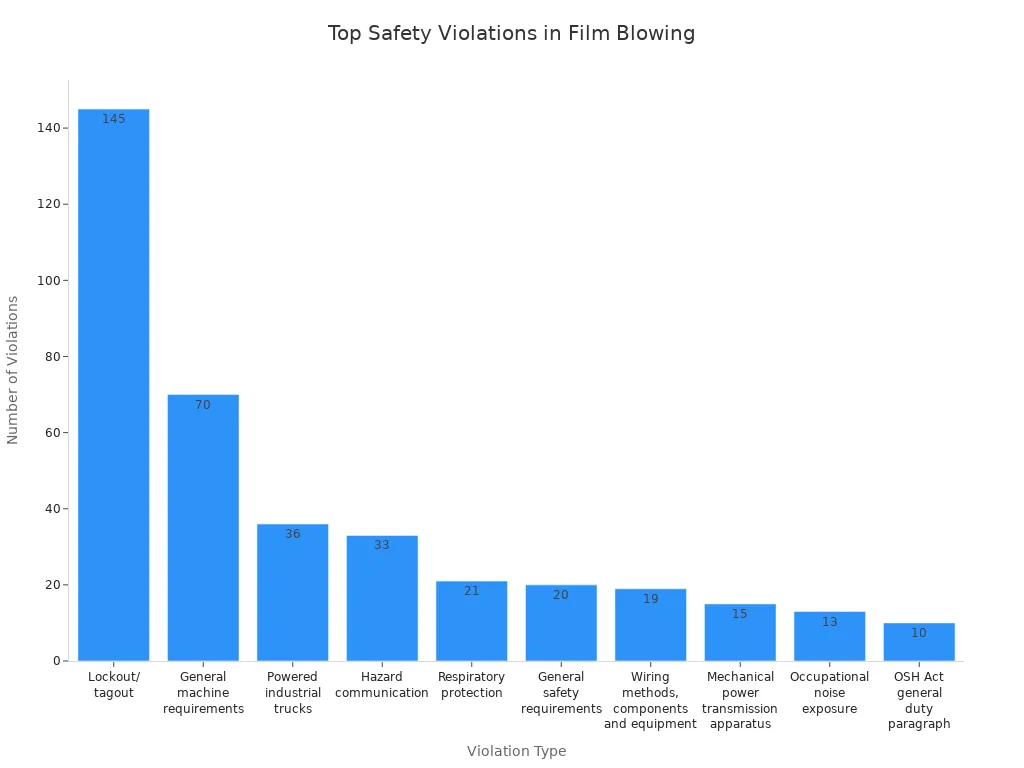
Safety is the most important thing when using a film blowing machine. You need to pay attention near moving parts, like winders. Some workers have gotten hurt by using open blades or broken systems during manual cutovers.
The winders are the most dangerous part in the blown film process. Any moving part can be risky. You must remove pinch points. You also need to stop places where hands or clothes can get caught and pulled in. Safety tools like light curtains on winders help you check film rolls safely. People have been hurt doing cutovers by hand with an open blade. This happens when there is no automatic cutover system or it is not working.
You will see easy steps to help you stay safe and avoid danger.
Key Takeaways
- Always check the film blowing machine before you use it. Look at all the parts to make sure they are tight and working well. This can stop accidents and helps the machine work better.
- Wear the right personal protective equipment (PPE) every time you use the machine. Put on safety glasses, gloves, and ear protection to keep yourself safe from harm.
- Follow safe steps before starting the machine. Look for any damage, make sure it has enough oil, and check that safety features work. This helps stop accidents from happening.
- Keep your workspace neat and clean. A clean area helps you pay attention and lowers the chance of getting hurt when using the machine.
- Practice what to do in an emergency often. Knowing what to do if something goes wrong can save lives and keep the machine safe.
Film Blowing Machine Pre-Operation Checks
Machine Inspection
Always begin by checking the blown film extrusion machine. Look at all the parts, like screws, belts, and bearings. Make sure every part is tight and does not move. Check the wires for any damage. Test all safety devices to see if they work. Clean the die head before you start. Set the gap to match the film thickness you want. Check the cooling system to see if air and water move well. Use good raw materials and dry them first. This helps stop problems during extrusion.
Tip: If you check the machine often, you can find small issues early. This keeps your blown film extruder working well.
| Maintenance Practice | Impact on Safety and Longevity |
|---|---|
| Monthly Inspections | Find small issues early and keep product quality steady. |
| Quarterly Overhauls | Spot worn parts that daily checks miss and help the machine last longer. |
| Comprehensive Maintenance | Helps the machine work better and cuts down on repairs. |
| Wear Tracking Systems | Warns you early and lowers surprise breakdowns by 40%. |
Belt Tightness and Calibration
Check the belt tightness before you turn on the blown film extruder. Press the chain or belt to feel if it is tight enough. Use a tool to measure tension if you have one. Look for any cracks, breaks, or worn spots. Check sprockets and pulleys for damage. Change the tension to match what the manufacturer says. This stops the belt from slipping and keeps the machine safe.
- Check belt tension by hand or with a tool.
- Look for cracks or worn spots.
- Check sprockets and pulleys for damage.
- Change tension if needed.
Electrical and Lubrication
Look at the wires and electrical parts for any damage. Make sure all wires are tight and safe. Add oil or grease to moving parts as the manufacturer says. Lubrication helps the blown film extrusion process stay safe. It also makes the machine last longer. If you skip these steps, the machine may break or become unsafe.
Temperature Control
Watch the temperature sensors on your blown film extruder. These sensors help you keep the right temperature. If the temperature gets too high, alarms will go off. Act fast to stop the machine from overheating. Different machines, like PP and PVC film blowing machines, need special temperature settings. If you ignore alarms, you could ruin the film or cause safety risks.
Use sensors to watch temperature all the time.
- Act fast when alarms sound.
- Change settings for each film type.
Note: Careful checks before you start keep you safe and make better film. Do these steps every day.
Operator Training & PPE
Training for Film Blowing Machine Safety
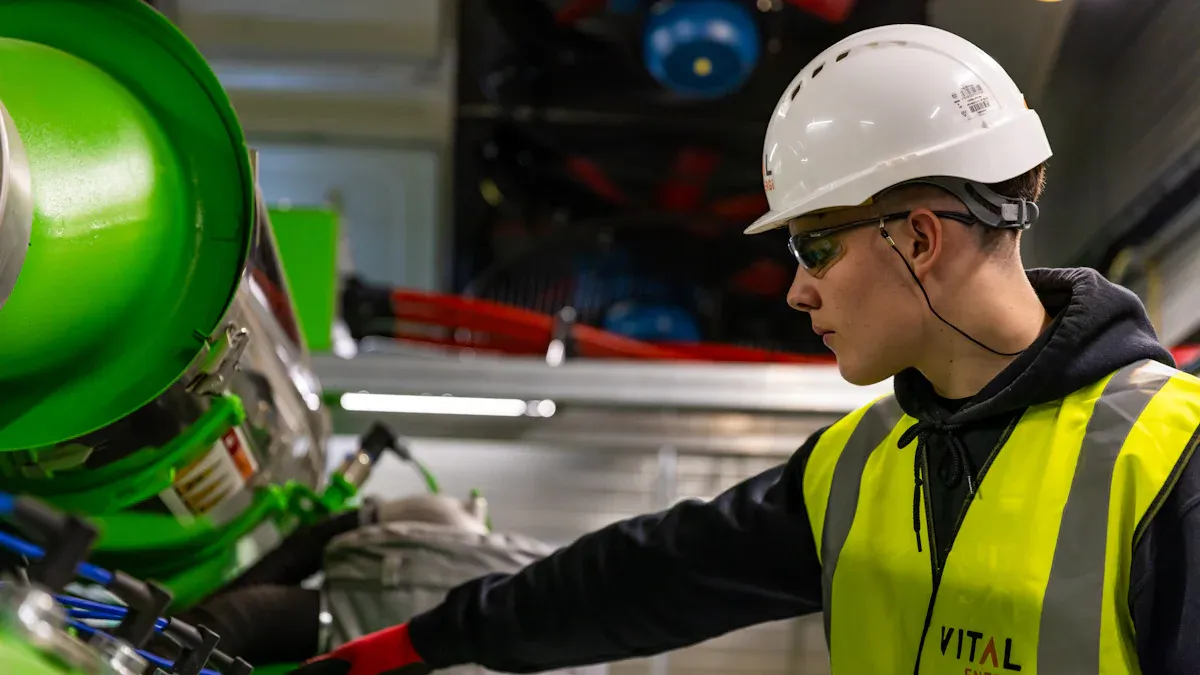
You must get good training before using a film blowing machine. Training helps you stay safe and avoid accidents at work. You should learn about safety features like emergency stop buttons and safety guards. It is also important to know basic electrical safety. This helps you avoid shocks or burns. If you use bio-film materials, you need to know about chemical safety. You must also learn how to use protective gear the right way.
Here are some of the best ways to train film blowing machine operators:
| Training Method | Description |
|---|---|
| Daily Cleaning Routine | Spend 15 minutes at the end of your shift cleaning and checking the machine. |
| Weekly Deep Clean and Inspection | Check guard interlocks and air filters with a supervisor every week. |
| Emergency Procedures Training | Practice what to do when alarms go off and how to fix problems safely. |
Troubleshooting Skills
You should know how to find and fix problems fast. If you hear odd sounds or see warning lights, stop the machine and look for trouble. Learn how to reset alarms and follow the right steps for each issue. When you know the controls, you can fix small problems before they get worse.
- Always look for loose wires or broken parts.
- Watch for signs of overheating or leaks.
- Use the emergency stop if you cannot fix the problem safely.
Personal Protective Equipment
You must wear the right personal protective equipment every time you use the machine. This keeps you safe from burns, cuts, and loud sounds. The most important items are:
- Safety glasses to keep your eyes safe from flying pieces
- Gloves to stop cuts, burns, and chemical contact
- Heat-resistant clothes for working near hot parts
- Earplugs or earmuffs to protect your ears from loud noise
Tip: Check your PPE before every shift. Replace anything that is damaged right away.
Machine Setup & Operation
Stable Placement
Put the blown film extruder on a flat, steady floor. This keeps the machine from sliding or moving. Lock all legs or supports so it will not tip over. Keep the space around the machine open and clear. If you set up the machine in a safe place, accidents are less likely during extrusion.
Tip: Make an emergency plan before you start. Learn where to go and where to meet if there is a problem.
Workspace Organization
A tidy workspace helps you stay safe. Pick up clutter and put tools where they belong. Use workstations that help your body feel comfortable. This stops you from getting hurt. The table below shows ways to make your workspace safer:
| Strategy | Description |
|---|---|
| Promoting a safety culture | Notice and reward safe actions so everyone thinks about safety. |
| Implementing ergonomic workstations | Build work areas that help your body and make work easier. |
| Integrating technology and automation | Use smart systems to lower mistakes and watch the process better. |
Setting Parameters
Set all the right settings before you use the blown film extruder. Check if the raw material is good. Test the resin to see if it is pure and melts well. Set the right temperature for the extruder and die. Change the air pressure to control bubble size and film thickness. Make sure the cooling system works so the film does not warp. Control the winding tension so the film does not stretch or rip. These steps help you get the best film from the machine.
- Check if the raw material is good.
- Set the right temperature.
- Change the air pressure.
- Make sure cooling is even.
- Control the winding tension.
Monitoring During Use
Watch the blown film extruder while it runs. Check if safety features like stop buttons and guards work. Listen for strange sounds or shaking. Look at the film for bubbles or if it gets too thick or thin. Watch the temperature, pressure, and speed. Make sure the air supply is clean and dry. Check air parts often for leaks or damage. Change broken parts right away to keep things safe.
Using Safety Guards
Always keep safety guards on when you use the machine. These guards keep you safe from moving and hot parts. Never take off or skip the guards. Test all safety features before each shift. If a guard breaks, stop and fix it before you start again. Safety guards help stop injuries and keep the blown film extruder working well.
How to Operate an Air Bubble Film Machine Safely
You need to be careful when using an air bubble film machine. These steps help keep you and your team safe. Always start the machine the right way. Do not do risky things while it is running. Know what to do if there is an emergency. Here is how you can use an air bubble film machine safely.
Safe Start-Up Procedures
Follow a simple routine before you use the air bubble film machine. This helps stop accidents and keeps the blown film extruder working well. Use these steps each time you start:
- Look at the outside of the machine for damage or loose parts.
- Check all wires and plugs. Make sure nothing is leaking or broken.
- See if moving parts have enough oil. Add oil to the gearbox and air compressor if needed.
- Make sure you know how to use the controls and safety features.
- Put on your personal protective equipment. Wear safety glasses, gloves, and ear protection.
- Place the machine on a flat, steady surface. This keeps it from moving or shaking.
- Do not stand right in front of the machine when you turn it on.
- Never put metal or hard things in the barrel. Only use clean, approved materials.
Tip: Always check the oil and power before you start. This easy step can stop many problems.
Avoiding Adjustments While Running
Never change anything on the film blowing machine while it is running. This rule keeps you from getting hurt. If you need to fix the blown film extruder, turn off the power first. Wait until all moving parts stop.
- Changing things while the machine runs is very dangerous.
- Always turn off the machine before you change settings or parts.
- Wait for everything to stop moving before you touch the machine.
Many people get hurt when they try to fix the machine while it is still moving. You can stay safe by following this rule every time you use an air bubble film machine.
Emergency Stop and Shutdown
You must know what to do if there is an emergency with your air bubble film machine. If something goes wrong, act fast and follow these steps:
- Keep the temperature and RPM steady for the resin inside.
- Turn off or unplug any extra feeding equipment. Clean out the material feed system, like hoppers, loaders, and filters.
- Start to empty the barrel. When the resin is almost gone, add a cleaning agent like Dyna-Purge to the hopper.
- Check the screen pack for dirt or blockages. Change it if needed.
- Clean the machine by running it fast for short times. Then slow down or stop the screw so the cleaning agent can push out leftover material. Do this until the machine is clean.
Fill the barrel with cleaning agent to stop oxidation. Stop the screw and lower the heat to cool down the machine.
Note: Practice emergency steps with your team. This helps everyone know what to do if something bad happens.
Acting fast can stop damage to the blown film extruder and keep people safe. Always review emergency steps before you use an air bubble film machine.
| Step | What to Do |
|---|---|
| Emergency Stop | Press the emergency stop button right away if you see a problem. |
| Shutdown Procedure | Follow the cleaning and cooling steps to keep the machine and yourself safe. |
You can use an air bubble film machine safely if you follow these steps every time. Remember, safety is most important. Always use the right steps and never take shortcuts.
Maintenance, Cleaning & Emergency Response
Routine Maintenance
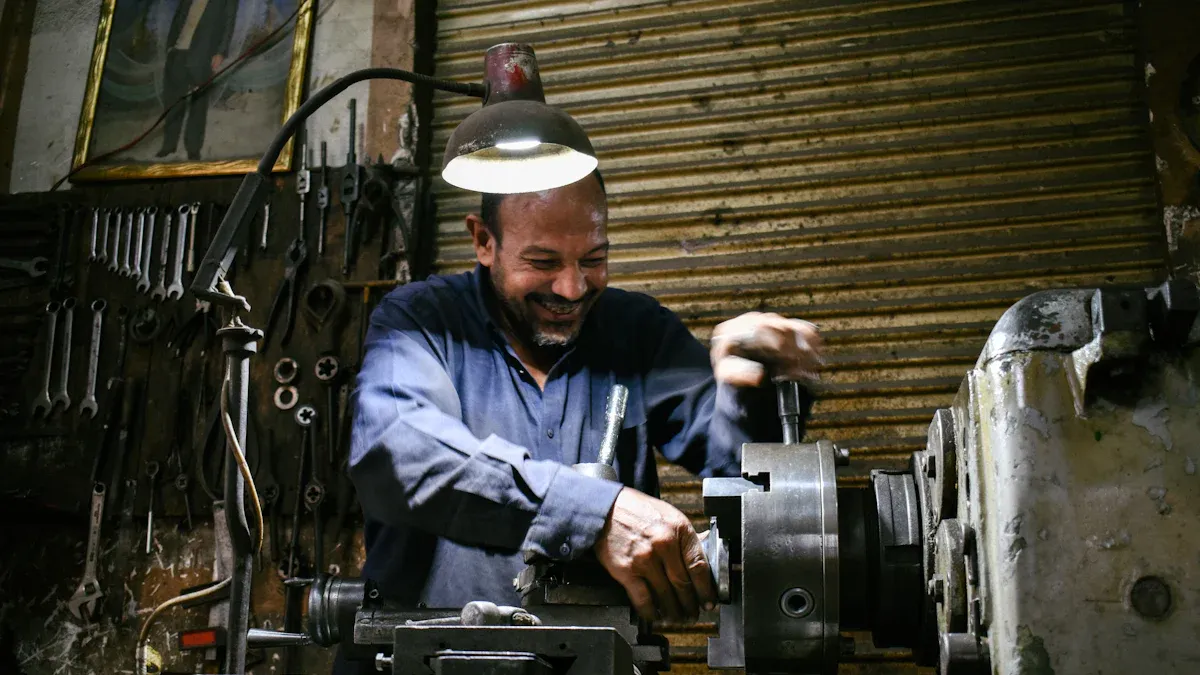
You should check your film blowing machine often. This keeps it safe and working well. Look at the machine every day to find problems early. Do some jobs each week and month to help it run better. Use this table to help you remember what to do:
| Frequency | Maintenance Tasks |
|---|---|
| Daily | - Look for leaks, loose bolts, or strange sounds. - Wipe off dust and add oil or grease. - Make sure lamps work and drain water from dryers. - Test emergency stop buttons and safety locks. |
| Weekly | - Clean mold parts and put oil on stretch rods. - Clean air filters and check water flow. - Check if belts are tight and chains are straight. |
| Monthly | - Check the oil in the hydraulic system and tighten parts. - Look at wires and test sensors. - Flush cooling pipes and look for air leaks. |
| Quarterly | - Clean and check mold parts. - Test oil thickness and change it if needed. - Change old belts and check bearings for shaking. |
| Annual | - Check all parts of the machine to make sure it works well and is safe. |
Tip: Write down what you fix or check. This helps you remember and plan for next time.
Safe Cleaning
Cleaning your film blowing machine helps stop accidents. It also keeps your work area clean. Follow these steps to clean safely:
Run clean resin or a special cleaning material through the machine.
- Try changing the speed to help clean hard spots.
- Use cleaning resin to get rid of stuck stuff inside.
Always wear gloves and safety glasses when you clean. Do not use strong chemicals unless the maker says it is okay.
Fire Safety and Evacuation
You must know what to do if there is a fire or emergency. Learn your workplace escape plan. Practice drills at least once a year. Know your job and where the nearest exits are. Look for maps that show how to get out and follow them.
Evacuation Steps:
- Stay calm and stop what you are doing.
- Go to the safe meeting spot.
- Call for help if you need to.
- Listen to the safety leaders.
- Never use elevators if there is a fire.
Note: Always know where fire alarms and extinguishers are. Make sure you know what emergency sounds mean and who the safety leaders are. This helps keep you and your team safe.
You help keep your workplace safe when you use a film blowing machine. Always look at the machine before you start. Put on your protective gear every time. Follow all safety steps, even the small ones. Go over emergency plans often and clean the machine safely. Tell your team about good safety ideas. Safety checks help everyone stay careful. What you do keeps you and your coworkers safe each day.
- Pay attention, follow the rules, and always think about safety first!
FAQ
What should you do if the film blowing machine makes strange noises?
Stop the machine right away. Check for loose parts or broken pieces. Listen for grinding or squeaking. If you cannot find the problem, call a technician. Never ignore odd sounds.
How often should you check the safety guards?
Check the safety guards before every shift. Make sure they stay in place and work well. If you see damage, fix it before you use the machine.
Can you clean the machine while it is running?
No, you should never clean the machine while it runs. Turn off the power first. Wait for all moving parts to stop. This keeps you safe from injury.
What personal protective equipment do you need?
You need safety glasses, gloves, heat-resistant clothing, and ear protection. Always check your gear before you start work. Replace damaged items right away.
Why is temperature control important in film blowing?
Temperature control keeps the film strong and smooth. If the machine gets too hot or too cold, the film can break or look bad. Watch the sensors and alarms to keep the right temperature.


