

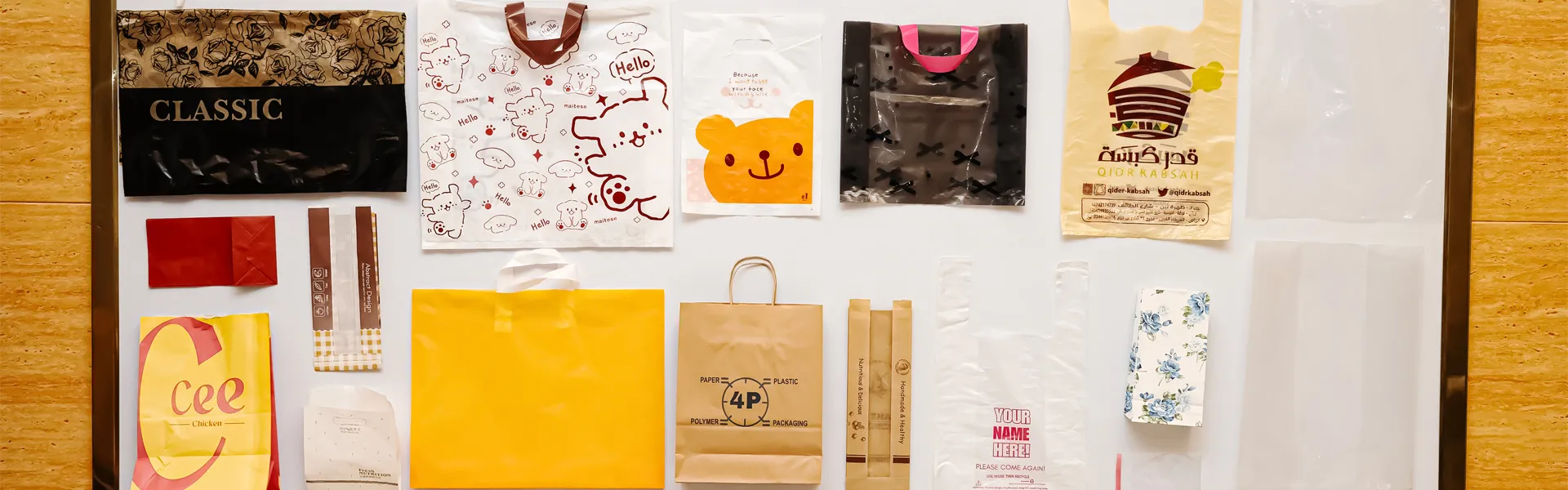
In today's packaging industry, the polypropylene blown film machine is key equipment for making high-quality packaging films. It has special material traits and uses a smart making process. The machine heats and melts polypropylene resin. Then it blows air through the die to make films. These films have good strength, heat stability, and useful features.
Widely used in food, medicine, daily chemical, industrial products packaging. This paper systematically analyzes the core advantages of PP blown film machines in packaging from four aspects: material properties, process advantages, application scenarios and technology development trends.
1.Material Features: Gives Packaging Films Outstanding Performance
Polypropylene resin is one of the five common plastics with unique molecular structure. The lack of polar groups in the main chain makes the film chemically stable and resistant to acid, alkalis and organic solvents. Its high crystallinity (60%-80%) provides excellent mechanical properties, 30-50 30-50 MPa tensile strength, fracture elongation of over 600%, and effective resistance to puncture and tear during transport. In addition, PP's melting point range (160-175°C) and heat deflection temperature (more than 100°C) significantly higher than polyethylene (PE), making it ideal for high-temperature distillation vessels, where it can endure undistorted for 30 minutes at 121 ° C.
In terms of optical properties, the polypropylene film can achieve more over 92% light transmittance and less than 3% fog through copolymer modification technology, satisfying the requirements of high-end food packaging. Its low water absorption rate (<0.01%) ensures dimensional stability in humid environments and is particularly suitable for the preservation of perishable foods such as seafood and meat.
2.Process Advantages: high efficiency and Precise Production
2.1 Breakthroughs Multi-Layer Co-Extrusion Technology
Modern polypropylene blower widely adopts multi-layer co-extrusion processes, combining different functional resin layers to optimize synergistic performance. For example, a three-layer co-extrusion structure, a high-transparency polypropylene layer is used on the outer layer for enhanced display, a nylon or ethylene-ethylene alcohol copolymer layer is added in the middle for enhanced barrier properties, and an anti-blocking polypropylene layer is used on the inner layer for improved opening performance. This structure reduces the transport rate of oxygen to less than 0.5 cm3/ (m2·24h·0.1MPa) and water vapour to less than 2 g/ (m2 24 h), effectively extending the shelf life of foods.
2.2 Precision Control Systems Ensure Quality
Advanced equipment is equipped with a closed-loop temperature control system and laser thickness gauges, enabling real-time monitoring and adjustment of melt temperature (±1°C accuracy) and film thickness (±3 μm deviation). For example, in the production of films between 0.015 and 0.1 mm thick, adjusting the wind volume and traction speed of the wind ring ensures a longitudinal thickness fluctuations of less than 1.5% and a transverse uniformity of 98%. This precision control improves the operating stability of the film on automatic packaging machines by 30% and reduces the defect rate to below 0.3%.
2.3 Energy-Saving and Environmentally Friendly Design
The use of electromagnetic heating instead of conventional resistance heating has increased thermal efficiency from 65 per cent to 92 per cent, saving 150,000 kilowatts of electricity per machine per year. The water cooling system is integrated with the residual heat recovery unit, and the recovery rate of cooling water is over 90%%, which reduces water consumption. In addition, the operating noise of the equipment is controlled below 65 dBs, in accordance with occupational health and safety standards.
3. Application Scenarios: Covering a Full Range of Packaging Needs
3.1 Food Packaging
Sterilization bag: made of polypropylene/ polypropylene/ polypropylene triple-layer structure, it is sterilized at 135°C for 45 minutes and is suitable for aseptic packaging of ready-to-eat rice and seasoning sauces.
Frozen Food Packaging: Antifreezemodified polypropylene films retain elasticity at -40°C to prevent packaging brittleness and subsequent food contamination.
Snack Packaging: The barrier layer in co-extruded films effectively prevents grease from oxidizing, extending the shelf life of potato chips and nuts to more than 12 months.
3.2 Drug Packaging
Blister Packaging for pharmaceuticals: hightransparency PP film and aluminum foil can be combined to form a seal to meet the moisture and light requirements of pharmaceuticals.
Medical consumable packaging: Anti-static polypropylene film with a surface resistivity between 109-1011 Ω/sq to prevent electrostatic vacuuming and ensure that surgical gowns and masks are sterile.
3.3 Industrial Packaging
Heavy duty bags: By increasing the thickness of the film (0.2-0.3 mm) and adding UV inhibitors, PP films can produce bags that can carry more than 50 kg of particulate matter, replacing traditional paper-and-plastic composite bags.
Chemical Packaging: Corrosion-resistant PP films securely packaging acid-base liquid, better chemical stability than PE film, 2-3 times longer service life.
4. Technology Development Trends: Leading Innovation in Packaging
4.1 Intelligent Upgrades
Blown film machines combined with IoT technology can now collect and analyze production data in real time. Monitoring systems that monitor key indicators such as energy consumption and output, coupled with automated optimization algorithms for artificial intelligence process parameters, resulted in a 12% reduction in unit energy consumption and a 15% increase in productivity. For example, when an enterprise adopts an intelligent control system, the its Overall Equipment Effectiveness (OEE increases from 78 per cent to 92 per cent.
4.2 Green transformation
The development of polypropylene resin has greatly improved the biodegradability of films. Under industrial composting conditions, the degradation rate ofPLA-modified polypropylene films reached 90% in 180 days, meeting the EU EN13432 standard. In addition, breakthroughs in single-material recyclable packaging technology have enabled PP films to be 100% recyclable without the need to separate composite layers, driving the packaging industry toward a circular economy.
4.3 Functional Expansion
Polypropylene films have special functions such as antibacterial, anti-fog and high barrier through nano-modification technology. Films containing silver ion antimicrobial agents, for example, have 99.9% inhibition rate of Escherichia coli and Staphylococcus and are widely used in fresh meat packaging. Anti-fog coating in cold chain environment to maintain transparency and prevent water vapor condensation to affect product display.
Conclusion:
Polypropylene blown film machines has become an indispensable core equipment in modern packaging industry because of its material property advantages, process control accuracy and functional expandability. From high-temperature distillation pouches to biodegradable packaging, from smart manufacturing to green manufacturing, polypropylene blowing film technology continues to drive the packaging industry toward high performance and sustainability. With the deep integration of materials science and intelligent manufacturing technologies, PP blower will play a greater role in ensuring food safety, reducing resource consumption, and enhancing production efficiency, providing critical support for the transformation and upgrading of the global packaging industry.


