

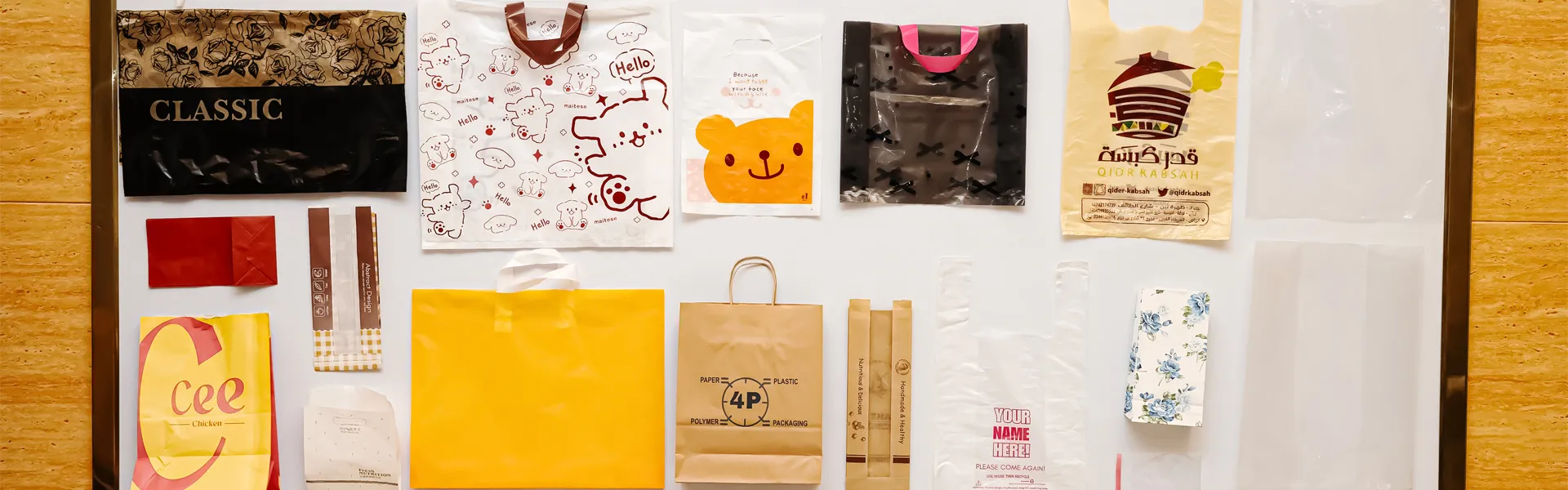
ABA blown film machines, as the core equipment in the field of plastic film production, is widely used in the production of soft packaging bags, T-shirt bags and garbage bags. However, in long-term operation process, equipment is prone to malfunction due to improper operation, component wear or environmental factors, which affects production efficiency and product quality. In this paper, the common fault types of ABA blown film machines are summarized, and according to the actual situation and industry experience, a targeted solution is put forward to provide technical reference for operators.

1.Thin film foam Stability Issues: causes and solutions to fluctuations, rupture and oscillations
The stability of membrane bubble is an important index in the process of blowing film, and its abnormality will lead to uneven film thickness, surface defects and even production interruptions. Common problems include film bubble oscillation, rupture and lateral oscillation due to temperature control, airflow interference and mechanical transmission.
1.1 Film Bubble Oscillation and rupture
Typical manifestations: film bubble surface shows periodic fluctuation, serious cases may appear to rupture.
Reason:
Temperature control Issues: Excessively high extruder temperatures will reduce the melt viscosity, and the uneven temperature of the die head will cause local flow differences. For example, in one business, damage to the heating ring on the die head led to a cooling of one side, resulting in turbulence at the outlet and a 30% increase in the frequency of film bubble bursting.
Airflow Interference: Inhomogeneous airflow from the cooling ring or disturbance of external air flow can disturb the cooling balance of the film bubble. Experimental data show that the diameter of the film bubble fluctuates by up to 5 mm when the airflow velocity difference within the air ring is more than 10%.
Mismatch of traction: Mismatch of traction speed and the extrusion speed can lead to fluctuations in bubble tension of the film. On one occasion, the operator failed to adjust the rotation speed of the traction rollers in time, causing the film bubble to burst due to a lack of tension during cooling.
Solutions:
Temperature Calibration: The temperature of different regions of the die head is measured regularly using a high-precision thermocouples. If the deviation exceeds ±2°C, adjust the power of the heating rings or replace the defective element.
Airflow Optimization: cleaning the air outlets of the air ring to ensure even air circulation, installing a windbreak screens around the equipment to reduce the impact of external airflow. One enterprise reduced the diameter fluctuation of the film bubble to ± 1 mm by modifying the structure of the gas ring.
Speed Matching: The traction ratio (usually between 4:1- 6:1) is set according to the film specification, and the speed of the extruder and traction rollers is synchronized by inverter.
1.2 Lateral Oscillation of thin film foam
Typical manifestation: The film bubble oscillate horizontally irregularly or periodically.
Reason:
Mechanical resistance: Worn traction roller bearings may cause uneven rotational resistance, or misalignment of the bubble stabilizer may increase friction. In one case, the deformation of the bubble stabilizer bracket results in a 20% difference in the contact pressure of the film bubble, causing oscillations.
Melt Viscosity: The stability of film bubble can be affected by high or low flow rate of raw material melt. For example, when the MFR of LDPE exceeds 3 g/10 min, film bubble are prone to oscillation due to excessive mobility.
Solutions:
Mechanical inspection and maintenance: Check the lubrication status of traction roller bearing regularly and replace worn components. Adjust the position of the bubble stabilizer to align it with the centerline of the die.
Raw material selection: According to the requirements of the process, the melt flow rate suitable raw material, adding talc powder (volume of 1% 1% – 3%) to improve the fluidity of the melt.
2. Uneven Film Thickness: Collaborative Optimization of Die Head, Cooling and Process Parameters
The unevenness of film thickness is the key factor which affects product quality. Common problems include longitudinal thickness fluctuations and transverse thickness differences. The basic reason lies in die design, cooling efficiency and process parameter setting.
2.1 Longitudinal Thickness Fluctuations
Typical manifestation: the thickness of the film changes periodically along the extrusion direction.
Reason:
Die Lip Gap: Mold lip lip gap adjustment or local wear will lead to uneven material discharge. In one case, the gap between the molds was 15 mm, causing the longitudinal thickness of the film to fluctuate by more than 15 per cent.
Filter Screen Blockage: Carbon deposits or impurities on the filter can cause fluctuations in melt pressure. The experiment show that the fluctuation of film thickness increased threefold when the pressure difference of the filter screen exceeds 15 MPa.
Solutions:
Die Head Calibration: The die gap is measured with a tentacle meter. If the deviation exceeds 0.02 mm, adjust the bolt or replace the mold lip. Regularly clean the carbon deposits in the inner wall of the die head to keep the surface smooth.
1. Filter replacement: according to the characteristics of the raw material, set up a filter replacement cycle (usually 200-500 hours), adopt high-mesh (80–120 mesh) filter screens, improve filtration efficiency.
2.2 Lateral Thickness Differences
Typical manifestation: The thickness distribution of the film is not uniform across the width.
Reason:
Cooling Air Ring: Design flaws or uneven airflow distribution of air rings can lead to differences in cooling speed. In one case, the vane angle of the air ring deviated by 5 °, resulting in a thickness difference of 0.02 mm between the edge and the centre of the film.
Blow-Up Ratio: Excessively high blow-up ratios (usually more than 3:1) can exacerbate uneven lateral stretching of the film bubble.
Solutions:
Air Ring Modification: choose doubleoutlet wind ring or install flow guide plates to optimize airflow distribution. Clean the dust inside the air ring regularly to ensure good air circulation.
Parameter Adjustment: Depending on the characteristics of the material, set an appropriate blow-up ratio (LDPE is usually 2.5: 1-3: 1) to compensate for lateral thickness differences by adjusting the die lip gap.
3. Surface Defects: overall control of raw materials, processes and cleanliness
Surface defects (such as gel particles, stripes and fish eyes) directly affect the appearance and properties of the films. Reasons involve raw material quality, process control and equipment cleanliness.
3.1 Gel Particles and Streakss
Typical Manifestations: Transparent or semi-transparent granular protrusions appear on the surface of the film.
Reason:
Raw Material Impurities: Undissolved particles or unevenly dispersed additives in raw materials. In one enterprise, the density of gel particles on thin films increased fivefold due to excessive use of recycled materials (more than 30%).
Insufficient Plasticization: Excessively low extruder temperatures or too high screw rotation speeds will prevent the material from melting completely. Experimental data shows that the melt temperature decreased by 5°C and the incidence of gel particles increases by 20 20% the screw rotation speed exceeded 80 rpm.
Solutions:
Raw Material Pretreatment: Strict screening of raw materials to control the proportion of recycled materials (generally not more than 20%). Use a dryer (80 – 100°C) to remove moisture from the ingredients and prevent hydrolysis from producing low molecular weight substances.
Process Optimization: an appropriate extruder temperature profile (e.g., segmented temperatures 160 – 180°C) are set according to the characteristics of the raw material and screw rotation speed is controlled in the range 60 – 70 rpm.
3.2 Fish Eyes
Typical Manifestations: Small, transparent, undissolved dots appear on the surface of the film.
Reason:
Die Head Cleanliness: residual coke or impurities on the inside of the die head can lead to uneven material discharge. In one case, the fish eye defect rate increased to 5% due to longer cleaning intervals (more than 24 hours) between molds.
Cooling Rate: Excessive airflow from the cooling ring can cause the melt to rapid solidification, trapping undissolved particles on the surface.
Solutions:
Die Head maintenance: Clean the inside of the die head every 8 hours with copper scrapers to remove charred material. Remove the die heads periodically for deep cleaning (e.g. immersion in trichloroethylene).
Cooling Adjustment: Set the appropriate airlock flow rate (usually 0.5–1.0 m3/min) according to the thickness of the film to avoid localized overcooling.
4. Mechanical Failures: Preventive Maintenance and Component Replacement Strategies
Mechanical failure is the direct cause of equipment downtime. Common problems include screw wear, noise anomaly of reduction gearbox, heating rings damage, etc.. In order to reduce the failure rate, regular maintenance and timely replacement of parts are required.
4.1 Screw Wear
Typical Manifestations: Decreased extrusion volume, melt pressure fluctuation.
Reason: long-term use can lead to screw surface wear, or metal impurities in the raw material can accelerate wear. In one enterprise, the wear rate of the screw increased threefold because there was no a magnetic separator.
Solutions:
Preventive Replacement: Set a replacement cycle (usually 5,000-8,000 hours) based on the screw material (e.g., 38 CrMoA) and regularly measure the gap between the screw and the barrel (replace the screw if the deviation exceeds 0.3 mm).
Impurity Control: Installation of a magnetic separator (magnetic field strength at least 8000 Gs) at the inlet to filter metal impurities from the raw materials.
4.2 Abnormal the Reduction Gearbox noise
Typical performance: Periodically abnormal noise occurs during operation.
The reason: Worn bearings or poor gear meshing will cause vibration. In one case, the lubricant in the gearbox of the gearbox of the gearbox deteriorated, causing the temperature of the bearing to rise to 80°C, causing abnormal noise.
Solutions:
Lubrication Maintenance: oil is replaced every 500 hours (using L-CKC220 industrial gear oil) and oil levels and quality are checked regularly.
Component Replacement: If abnormal noise persists, remove the reduction gearbox, check for wear and tear on bearings and gears, and replace damaged components if necessary.
V. Operational Specifications and emergency response: key to reducing the risk of failure
In addition to technical optimization, standardized operations and emergency response capabilities are essential to reduce failure losses. The following measures should be taken:
Standardized Procedures: Develop operating procedures for equipment startup, close and parameter adjustment to avoid melting degradation due to abrupt stop and start. For example, the extruder temperature should be reduced to below 120°C and residual melt in the die head cleaned before closing.
Contingency plan: To establish a rapid response mechanism for sudden faults such as film bubble rupture and thickness deviations. For example, when film bubble ruptures, immediately reduce traction speed (at least 30%) and check temperature and airflow.
Data logging: Record key process parameters (such as temperature, pressure and speed) and failure phenomena, and use Statistical process control (SPC) to identify potential risks. One enterprise avoided an unexpected outage by using data analysis to predict screw wear two weeks in advance.
Conclusion:
The stable operation of ABA blower requires comprehensive measures in temperature control, airflow optimization, raw material management, mechanical maintenance and operation specification. By implementing preventive maintenance, establishing fault database and improving the operation skills of operators, the failure rate can be greatly reduced and the production efficiency and product quality can be improved. In the future, with the application of Internet of Things (IoT) and (AI, equipment failure prediction and automatic adjustment will become the industry trend, further promoting the intelligent development of blown film processes.


