

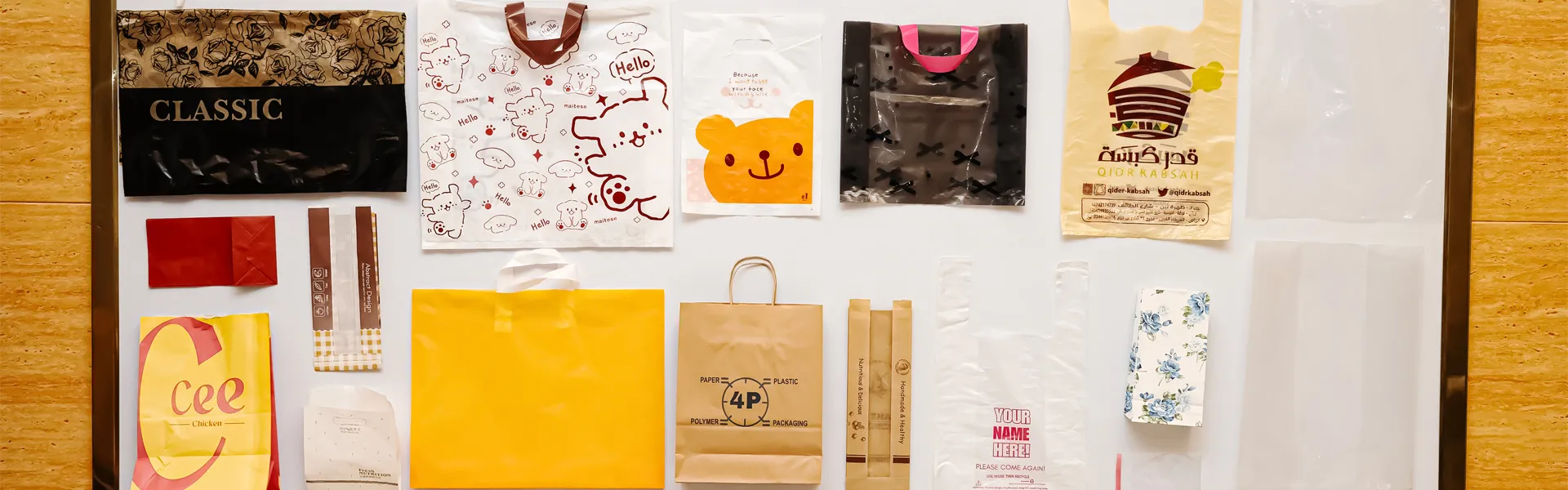
Shopping bag makers are not a panacea. It can make different bag shapes, handle types and speeds. These all match different types of industries. So the question of whether an industry should use such machines is really whether the bags made by machines are the same shape as the bags actually bought by the industry. You also need to look at the quantity they need, the quality they want and the cost of each bag compared to buying from an external supplier. A Shopping Paper Bag Making Machine can be a valuable asset for high-volume users, but it is not the right choice for every business. The list below shows which industries get real value from owning or renting the machine, which ones do better with contract makers, and why this difference matters.

Machine Type Overview: What These Machines Actually Produce
Before mapping to the industry, it is necessary to define what the output of a shopping bag machine is. The equipment category encompasses several distinct subcategories:
|
Machine Type |
Bag Geometry |
Typical Speed |
Handle Option |
Primary Use Case |
|
Square-bottom (tubular) |
Flat tube → formed bottom → glued |
100–250 pcs/min |
None (requires separate handle-attaching station) |
Grocery sacks, retail merchandise bags |
|
V-bottom (satchel) |
Pre-cut sheet → folded V-gusset → glued |
80–180 pcs/min |
Twisted paper / flat tape |
Boutique retail, food service takeout |
|
Flat-bottom block-bottom |
Full tubular → square base with side gussets |
60–150 pcs/min |
Rope / ribbon / twisted paper handle integrated |
Premium fashion, gift packaging |
|
Fully automatic with inline handle attachment |
Any geometry above + automatic handle feeding and pasting |
40–120 pcs/min (handle step is bottleneck) |
Twisted paper / PP rope / D-cut handles |
High-volume retail chains, supermarkets |
The speed figures above show the output of the machine under perfect conditions. But actual production depends on the type of paper (heavier kraft paper slows down molding), the reliability of the glue system (hot-melt clogging is the most common reason a machine stops working) and how often the operator changes the size of bag.
Industry 1: Supermarket and Grocery Retail
The world's most used shopping bags come from grocery stores and supermarket operations. A mid-sized regional supermarket chain, which uses between 50,000 and 200,000 paper bags a week in stores, is ideal for sourcing paper bag makers in-house. This means a 70 – 90 gsm natural or bleached kraft with a square bottom tubular model.
Why this industry fits:
High and stable demand-the use of bags increases or decreases as the number of customers increases. That figure can be extrapolated from past sales figures. There have been no big ups and downs like the fashion or gift industries.
Standard bag size-most grocery bags are small (180×80×260 mm), medium (220×100×320 mm) and large (270×120×380 mm). These three sizes make up over 85% of checkout bag.
Basic finished product is fine quality-grocery bags don't need to have a logo on each bag. Normal brown paper with the store's logo printed on a small number of bags is enough. As a result, it reduces the need for complex machines.
Big savings: Buying kraft grocery bags costs about £0.03 -£0.07 per bag. It depends on the quantity and where the supplier is. Internal production of between £35,000 and £80,000, 150 bags per minute, one 8-hour shift per day, approximately 72,000 bags per day. Material costs about £0.015 per bag (paper + glue + energy), with internal costs falling to £0.02-£0.025. So you can save 30–60% compared to buying more than 3 million bags a year from suppliers.
The break-even point changes by region and labor cost. But for any business that uses more than 3–4 million plain kraft bags each year, the money case for an in-house machine is usually clear.
Industry 2: Fashion and Apparel Retail
Fashion retail is different. Bags made for this sector need a block or flat bottom structure with a fixed rope or ribbon handles. They also need thicker paper (120–180 gsm art paper or laminated kraft). They usually require some surface decoration, such as hot foil stamping, embossing or multicolored flexo printing. So a machine set up for fashion use must have these parts:
Block-bottom forming system (not just square-bottom)
Inline handle-attaching unit that can work with cotton rope, satin ribbon, or flat paper tape
An optional pre-print alignment system if the brand artwork is put on before forming
Slower but more exact cycle to handle thicker paper and multi-layer build
The price per bag here is very different from that at the grocery store. A high-end fashion bag with a 150 gsm laminated kraft body, cotton rope handle and hot foil logo might cost between £0.25 and £0.45 per pack from specialist suppliers. Making fully automated underlying machines in-house for £120,000 to £200,000 could reduce costs to between 0.12 and 0.50%. But that can only be achieved if annual production exceeds 500,000 to 800,000 units. Below that amount, the machines cannot be fully utilized, so the machine cost per bag consumes the money saved.
Fashion retailers also face a problem that grocery stores don't: Design changes with season. A brand may need a new bag design, colour or treatment type twice a year (spring/summer and fall/winter collections). Each design change requires a new printing plates, perhaps a different paper color, or sometimes a change in the handling material. Machines with quick replacement parts (under 30 minutes) handle well. Not so with older machines with fixed parts.

Industry 3: Food Service, Restaurants, and Cafés
There are two types of paper bags in the restaurant industry that often confuse consumers: tote bags (for take-home items) and food contact bags (for ready-to-eat items such as sandwiches, pastries or baked goods). The legal rules of both machines determine which machine to choose.
For takeout use-brown paper bag with takeaway containers-a standard kraft V-bottom or square-bottom machine using 70–90 gsm paper of paper will suffice. No special regulations are required, except for general packaging safety.
For direct access to food-bags containing unwrapped bread, pastries or sandwiches-paper must meet the requirements of FDA 21 CFR 176.170 (paper in contact with wet and greasy food) or the European Union Regulation (EC) 1935/ 2004 (materials used to access food). This means:
Suppliers of The kraft paper supplier must give a declaration of compliance (DoC). There are no banned substances (such as heavy metals, certain dyes or fluorinated compounds).
Any glue used to make bags must be food-grade certified. This is usually water-based PVA or starch-based glue, not solvent-based hot-melt with banned plasticizers.
If the machine is coated with an oil repellent or PE lamination as part of the process, the coating must also be safe for contact with food.
Food service businesses that produce 10,000 to 50,000 food contact bags a week, such as medium-sized bakery chain or café group, can use V-bottom machines with food-grade glue systems. But with fewer than 5,000 bags a week, it's still cheaper to buy from a qualified soft-pack manufacturer.
Industry 4: Gift Packaging and Event Merchandise
The gift wrapping department uses a smaller amount of each bag type, but requires more decorative details. This includes textured paper, metal finishes, die cut window panels, embossed logos, and custom printed tissue inserts. A standard high-speed paper bag maker for grocery-grade output can't keep these products from changing much after sale. Sometimes these changes are not even possible.
As a result, the industry typically requires semi-automatic or manual enhancement settings:
Semi-automatic forming machine: moderate bag making speed (20–60 bags per minute). It can also handle heavier special files up to 250 gsm.
Offline decoration station: hot foil stamping, embossing or screen printing is done separately after the bag is formed.
Manual handle attachment: Suitable for luxury materials such as ribbon or leather cord. Automated systems cannot reliably supply these materials.
·
This hybrid approach is common in gift wrapping workshops that offer wedding favors gifts, corporate events and holiday retail season. Machine costs (£15,000 to £40,000 for semi-automatic) are lower than full automation. Each design can run from 500 to 2,000 pieces without costly plate changes, in keeping with the small-batch reality of the gift industry.
Industry 5: Pharmaceutical and Healthcare Packaging
Pharmacies and medical paper bags are a small but tightly controlled area. These requirements include significant tampering features, child protection features for certain types of drugs, and traceability through batch codes. Most pharmacy bags are still simple flat-bottom kraft designs. But the push for sustainable pharmacy packaging has increased interest in FSC-certified recycled kraft rather than solvent glue.
The paper bag line in this market doesn't need any special features. A standard square bottom model running 80-100gsm of FSC-certified brown paper will suffice. But it needs documentary evidence. This means the ability to print batch numbers, expiry dates or lot numbers using an inline thermal inkjet or hot-stamp printer or hot printer. It also requires a glue system (low-VOC and low dust) that works in a clean room.
The sector is small compared to groceries or fashion. Regional pharmacy chain can use 1–3 million bags a year. As a result, the coffers point to shared central production (one machine serving multiple distribution centers) rather than machines in each store.
Industry 6: E-commerce Fulfilment and Logistics
The link between the e-commerce shipping sector and paper machines is indirect but growing. Shipping shipping companies considering paper light protection options as rules for plastic mailing bags get more stringent-notably the EU Single-Use Plastics Directive (2019/904) and similar laws in California ( (SB 54), Canada (SPR) and Australia.
Paper courier bags (also known as "paper mail bags" or "paper carrier pouches") are built differently from shopping bags. They need wet-strength kraft (140–200 gsm), waterproof paint (PE lamination or acrylic barrier) and adhesive seal strip that stick together. A standard shopping bag machine can't make that without major changes. The reforms needed are:
Wet-strength paper feeding (needs tighter tension control)
PE extrusion or hot-melt barrier coating station
Glue lamination module for self-seal strips
Stronger edge sealing for seams that carry load
Machines made specifically for paper mail exist as a separate device. So anyone who has a standard shopping bag machine and wants to get into the market should double check that it can be retrofitted. In many cases, buying a dedicated paper feeder line is a more reliable option, even if it's more expensive to start with.
The Plastic-Ban Policy Driver
Talk of paper machines would be incomplete without attention to the rules that have made the market bigger in the last five years. The following are key policy steps affecting machine investment choices:
|
Jurisdiction |
Policy |
Effective Impact on Paper Bag Demand |
|
EU (Directive 2019/904 + PPWR 2024) |
SUP restriction + recycled-content mandate |
Estimated 30–45% increase in retail paper bag adoption by 2028 (European Commission impact assessment, 2024) |
|
California (SB 270, SB 54) |
Plastic bag ban + EPR fee structure |
Post-SB 270 implementation: CA paper bag sales increased 158% over 36 months (CalRecycle data, 2023) |
|
India (Plastic Waste Management Rules 2021) |
Thickness mandate + carry-bag prohibition below 75 μm |
Shift from thin LDPE carrier bags to paper alternatives accelerating in tier-1 cities |
|
China (Hainan pilot, national roadmap) |
Plastic restriction order (2020) + provincial extensions |
Hainan Province reported 65% reduction in single-use plastic bags post-ban; paper substitute uptake rising 22% YoY |
These rules create a demand boost that did not exist ten years ago. So for a maker or a store that is thinking about buying a Shopping Paper Bag Making Machine, the policy-driven growth means that the amount of bags needed to break even will be reached faster than what past averages would suggest. And machines bought now will likely run at higher usage rates over their 8–12 year life compared to similar machines bought before the rules changed.
Selection Framework: Which Machine for Which Industry?
Summarising the mapping between machine configuration and industry suitability:
|
If your primary industry is... |
You need this machine type |
Minimum viable annual volume |
Key decision factor |
|
Supermarket / grocery |
Square-bottom tubular, 150+ pcs/min |
> 3 million bags |
Plain vs. printed ratio |
|
Fashion / apparel |
Block-bottom with inline handle attachment |
> 500,000 bags |
Seasonal design change frequency |
|
Food service / bakery |
V-bottom, food-grade glue system |
> 250,000 bags |
Food-contact compliance (FDA/EC) |
|
Gift / event packaging |
Semi-automatic forming + offline decoration |
Variable (short-run tolerant) |
Decorative complexity tolerance |
|
Pharmacy / healthcare |
Standard square-bottom + inline batch coding |
> 1 million bags (centralised) |
Regulatory documentation trail |
|
E-commerce / logistics |
Dedicated paper-mailer line (not standard shopping bag machine) |
> 2 million mailers |
Barrier coating and wet-strength requirement |
Conclusion
A shopping paper bag maker best suited to the industry, there is a high and stable use of a fairly standard bag type. These are mainly supermarket grocery, medium and large fashion retail, and food service bakery operations. Gift wrapping and event items are only possible if the machine is set to thick paper, slow and flexible. Pharmaceutical uses are simple in terms of machine demand, but too few, so sharing centralized production often makes more sense. While the e-commerce industry is moving away from plastic mailboxes, this creates an opportunity that seems real but is not simple. Architectural differences between shopping bags and shipping mailers mean specialized equipment-rather than rerouting bags-is the right technical answer. Across all industries, tighter single-use plastic rules and a consumer preference for paper packaging are reducing the payback time for paper bag machines. So, buying decisions that weren't good five years ago are clearly good now.
References
- European Commission. (2024). Impact Assessment accompanying the proposal for a Regulation on packaging and packaging waste (PPWR). Brussels: European Commission Directorate-General for Environment.
- California Department of Resources Recycling and Recovery (CalRecycle). (2023). Annual Report on Single-Use Plastic Reduction. Sacramento: State of California.
- FDA Title 21 CFR Part 176.170. Components of paper and paperboard in contact with aqueous and fatty foods. U.S. Food and Drug Administration.
- Regulation (EC) No 1935/2004. Materials intended to come into contact with food. Official Journal of the European Union, L338/4.
- ISO 12625 series. Paper and board - Determination of properties of tissue paper and tissue products (relevant to bag-forming strength specifications). ISO.
- TAPPI Test Methods. T 494 om-06: Tensile properties of paper and paperboard. Technical Association of the Pulp and Paper Industry.
- Twede, D., & Selke, S. E. M. (2005). Packaging Technology. Pearson Education. [Chapter 9 covers paper bag manufacturing processes.]
- Soroka, W. (2009). Fundamentals of Packaging Technology (4th ed.). IoPP / Institute of Packaging Professionals.
- Robertson, G. L. (2013). Food Packaging: Principles and Practice (3rd ed.). CRC Press. [Chapter 7 covers paper and paperboard substrates for food contact.]
- Paine, F. A. (1991). The Packaging User's Handbook. Blackie Academic & Professional.
- Kirwan, M. J. (Ed.). (2011). Handbook of Food Packaging Technology (2nd ed.). Wiley-Blackwell.
- European Committee for Standardization (CEN). EN 13430:2004. Requirements for packaging recoverable through material recycling. CEN.


