

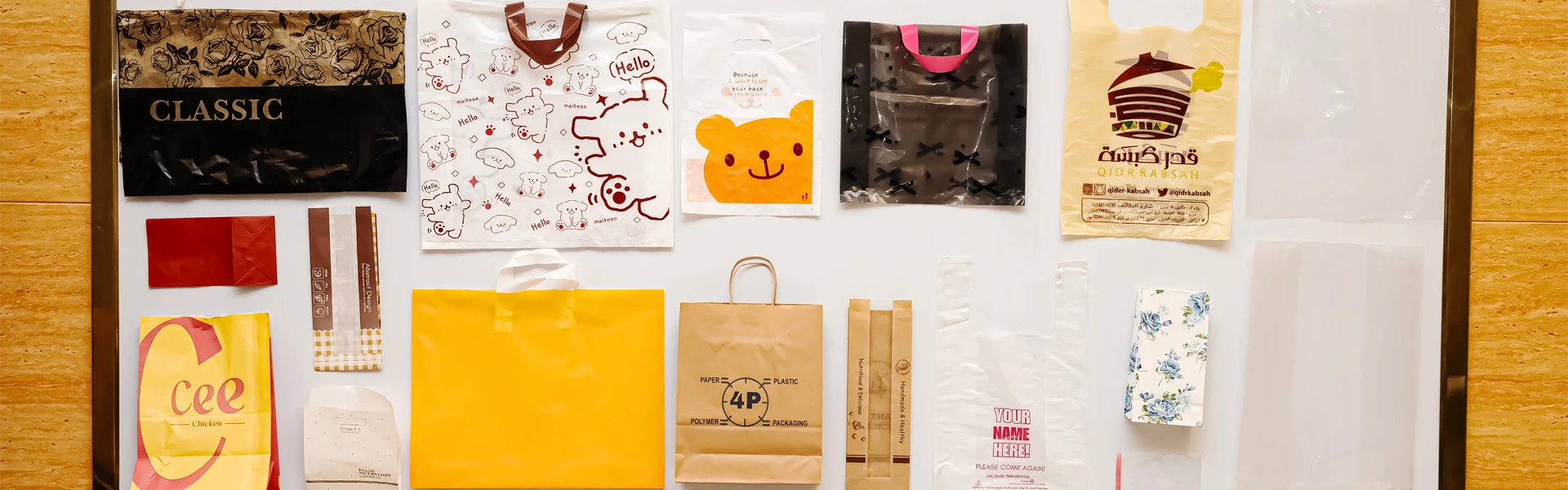
Biaxially oriented polypropylene film is an important role in soft packaging. It's the bottom layer under most snack bags, candy wrappers, cigarette wrappers, tape backs and the printed parts of many labels. There are two things you need to know about a Bopp Flexo Printing Machine. First, you need to know what it prints. Next, you need to know why flexo printing is the preferred material for large factory scales.
What Makes BOPP a Technically Demanding Substrate
The material itself needs to be explained before we can discuss its use. This is because the nature of BOPP directly explains the need for special machine setup.
Polypropylene is pushed out and pulled in both directions at high temperatures. The two directions are machine direction and lateral direction. This pull is called a biaxial orientation. This step arranges the polymer chains. The result is a film that is much stronger than unoriented PP. It has very good clearness and low water vapor transfer rate. ASTM D882-18 (2022) is the standard test for the strength of thin plastic sheets. A method for measuring the strength of bidirectional results is presented. For BOPP, these values typically reach 2,800 to 3,500 MPa in machine direction and 3,500 to 4,500 MPa horizontally. These are much higher than polyethylene films of the same thickness.
This high stiffness of the dimensions results in usefulness for printing. BOPP does not stretch much under the strain of the network. This stretching can lead to misregistration of soft materials such as low-density polyethylene. But the same biaxial orientation creates a key processing limitation. BOPP working temperature window is small. If the membrane stays above 120-130°C for too long, the oriented molecular order begins to relax. This causes permanent two-way contractions. This puts forward a strict limit on the temperature setting of dryer in printing process.
A second BOPP property of control printing process design is low surface energy. For untreated films, it is usually 29 to 31 mN/m. Ink to adhere to any material, the ink's surface tension must be reached or lower than the the material's surface energy. This moistens the ink and spreads it well. surface tensions tension Most solvent-based and UV flexo ink formulas 28 to 35 mN/m. This means they are at or above BOPP's natural surface energy limit. The result is untreated BOPP pushing ink away. corona discharge, plasma treatment or flame treatment Pre-treatment are standard requirements prior to any printing on this material.

Application Area 1: Flexible Food Packaging
The biggest use of a Bopp Flexo Printing Machine is for decorative and information printing on soft-packed film. These uses include:
Snack food outer wrap. Oriented BOPP provides the barrier and stiffness that keeps snack bags in shape during shipping. It also offers a high-gloss finish, support for full-color printed food photos, ingredient lists, and legitimate labels. Printing is printed on the outside surface of a film in the form of a reverse reading. It is then glued to a thermalseal (usually LDPE or CPP). This traps the ink between two layers of polymer layers. This construction is called reverse printing laminate.
Confectionery twist wrap. Thin BOPP (12 to 20 μm) is printed in 1-2 colors. It is then cut and rolled into an automatic roll wrapping machines. At such a low thickness, BOPP size stability can prevent tearing and wrinkling caused by less rigid materials in high-speed packing lines.
Bakery and bagging. Printed BOPP films have see-through clearness. That way you can see the product. It's also water resistance, which extends the shelf life of the product.
For all food packaging purposes, the ink system must follow food contact migration rules. In the European Union, Regulation (EU) No. 10/2011 on plastic materials for food sets specific restrictions on the possible transfer of components from packaging to food. For reverse-printed BOPP laminates, the ink layer is separated from the food by laminate and intranets. However, under the current rules, the ink transfer and functional dysfunction compliance tests in the coiling process are still necessary.
Application Area 2: Tobacco Over-Wrap
Cigarette pack and carton packaging is a difficult problem in BOPP flexo. This is because it uses a very thin film (15-20 microns) very high clearness needs and a downstream packaging machine of 300-600 packets per minute.
Tobacco wrappers are usually printed on a monochrome background, with shiny hot stamp sections and hidden tear strip cuttings. The Bopp Flexo Printing Machine setup is set up so that the overprinting accuracy of the cigarette is higher than anything else. That's because even if the mismatch between the print design and the next shiny foil step is less than a millimeter, it can cause a noticeable mismatch. This mismatch can throw out entire batches of production.
Application Area 3: Pressure-Sensitive Label Substrates
Clear BOPP is widely used as the top layer of sticky labels on bottles, cans and hard containers. This is especially true for beverages, personal care and food products that require "off-label appearance." The film's clearness makes the label look like it was printed on a container.
In this case, printing takes place at the top of the BOPP before cutting and binding the adhesive layer. Flexible BOPP printing with label thickness (usually 50-80 microns) must achieve uniform color density in large solid areas and small details. The back of the printed paper must remain nonstick. This means that the absence of ink bleed or coating movement reduces the peel strength of sticky bonds.
ISO 2846-1:2017 gives solid-color density targets for printing quality marks for such labeling work. For high quality labels, the density of cyan and magenta ink should be between 1.50 and 1.70 in standard light. Permissible change is plus or minus 0.05.
Application Area 4: Adhesive Tape Backing
BOPP adhesive tape is used for packaging, office, factory jobs work transparent tape. The tape requires branding or warning marks such as "Fragile," "This Side" or "Not Crushed" to be printed on the back of the tape before it is cut and wound into the core. This kind of use puts forward the special request to the printing process. Ink must be attached to a material and then coated with acrylic or rubber adhesive. This means that the printing layer does not release surface, reducing the the glue's stickiness.
Ink selection focuses on residual solvent levels and surface chemistry. Solvent-based flexo inks in the dry film leaves a high residual solvent, can react with the glue coating. This will cause the glue to fail on the ink to glue production line. ASTM D3330 provides a test to see if the glue bond on printed areas complies with the same stripping rules as on unprinted areas. This quality check is especially suitable for this purpose and does not match in most other flexo-printed product types.
Technical Configuration of a BOPP Flexo Machine
A Bopp Flexo Printing Machine made for this type of film, and there are several parts that make it different from general flexo machines:
Web tension control settings. BOPP's high stiffness means that tension errors goes directly into registration drift rather than being absorbed by the stretch. Therefore, the tension control system must maintain the tension of the web, even if there is only a positive or negative 1 to 2 N change in the entire roll size range. Electric dance system with load cell feedback is standard set up with BOPP as the core. No purely mechanical brake systems.
Corona Treatment Station. A built-in corona treater right before the first printing station is standard BOPP flexo lines. The treater increased surface energy from mN/m to 44 mN/m This is enough to ensure good ink moisture. It failed to reach energy levels, causing problems with electrostatic bonding between the film and guide roller. The intensity of treatment must be tailored to avoid overtreatment. Overtreatment produces a strangely weak layer of oxidizing that reduces adhesion and can be detached from the main membrane.
Temperature-controlled drying. BOPP has a shrinkage limit of 120-130°C. Therefore, the air dryer between the printing press and the final dryer must be subjected to precise temperature control. Accuracy must be plus or minus 5 degrees. Newer setups use zoned infrared heating and temperature curves for hot air dryers. This allows the solvent to dry as quickly as possible while keeping the material safely heated.
Solvent recovery or UV curing. Solvent-based inks are commonly used by BOPP. They adhere well to treated film. However, they require solvent recovery or destruction systems, such as a thermal oxidizer or activated carbon filter. This is to meet VOC emissions rules set out in laws such as the EU Industrial Emissions Directive. UV-cured flexo systems eliminates solvent emissions. But they require to check that all photoinitiator chemicals comply with food exposure transfer restrictions when needed.
Comparison with Gravure Printing for BOPP
Rotogravure has historically been the primary competing process for BOPP flexible packaging at high volumes. A comparison on the key selection criteria:
|
Criterion |
Flexographic (BOPP-optimized) |
Rotogravure |
|
Cylinder/plate cost |
Photopolymer plates: low-medium |
Engraved chrome cylinders: high |
|
Minimum order volume for cost-efficiency |
5,000–50,000 linear meters |
50,000–500,000 linear meters |
|
Image quality on BOPP |
High (HD flexo plates: 200+ lpi) |
Highest (inherently continuous tone) |
|
Color change speed |
Fast (plate swap: 15–30 min) |
Slow (cylinder swap + wash-up: 1–2 hr) |
|
Ink system flexibility |
UV, water-based, solvent |
Primarily solvent-based |
|
VOC management |
Optional (UV route eliminates VOC) |
Required (solvent recovery infrastructure) |
|
Suitable run length |
Short to medium |
Long runs only |
Over the past decade, BOPP soft packaging production production has shifted to flexo machines due to trends such as smaller batches, faster design-to-market speeds, and greener ink systems. This is especially true for more than 10 to 20 products per printing house.
Quality Verification Standards
Finished BOPP flexo printing should be compared to the following standard quality requirements:
Ink adhesion. ISO 2409 crosscut strip test was carried out on printed BOPP samples. This will check if the ink is coming off the surface of the material. Test immediately after printing and wait 48 hours.
Abrasion resistance. ASTM D5264 measures how much friction is needed to see ink peel off. This figure shows that if printed BOPP can survive shipping and processing without losing its appearance.
Dimensional stability after printing. The width and length of the web are measured before and after the entire drying process. This inspection heat has not cause permanent film to shrink beyond the size limit for the next gluing or cutting step.
Conclusion
A Bopp Flexo Printing Machine is a tool built for a particular job. It is designed around BOPP's materials science. This includes its high intensity, low surface energy, heat sensitivity and food exposure rules. Its use covers the largest segment of the soft packaging market. These uses are food wrap, candy packaging, tobacco packaging, labeling and tape backing. For every use, the value of a machine is more than just putting ink on film. Its value lies in doing so within the strict limits set by BOPP's physical traits. This means the right tension, the right temperature, the right surface treatment strength and the right ink chemistry. At the same time, it must comply with the rules of mass consumer packaging and quality marks requirements.
References
ASTM D882-18(2022). Standard Test Method for Tensile Properties of Thin Plastic Sheeting. ASTM International, 2022. (BOPP MD/TD tensile modulus values, elongation-at-break behavior, orientation-induced mechanical property data for flexible film substrates)
ISO 2846-1:2017. Colour and Transparency of Graphic Arts Inks - Part 1: Sheet-Fed and Web Offset Lithographic Inks. International Organization for Standardization, 2017. (Solid optical density specification for process inks, ±0.05 D tolerance for premium label and flexible packaging output)
ASTM D5264-98(2021). Standard Practice for Abrasion Resistance of Printed Materials by the Sutherland Rub Tester. ASTM International, 2021. (Ink film abrasion resistance testing methodology for BOPP-printed flexible packaging substrates)
ASTM D3330/D3330M-04(2018). Standard Test Method for Peel Adhesion of Pressure-Sensitive Tape. ASTM International, 2018. (Peel adhesion verification over printed vs. unprinted BOPP tape backing areas, adhesive-ink interface compatibility testing)
Regulation (EU) No 10/2011. Plastic Materials and Articles Intended to Contact Food. European Parliament and Council, 2011, as amended. (Food contact migration limits for ink components, reverse-print laminate functional barrier requirements, regulatory framework for food packaging ink compliance)


