

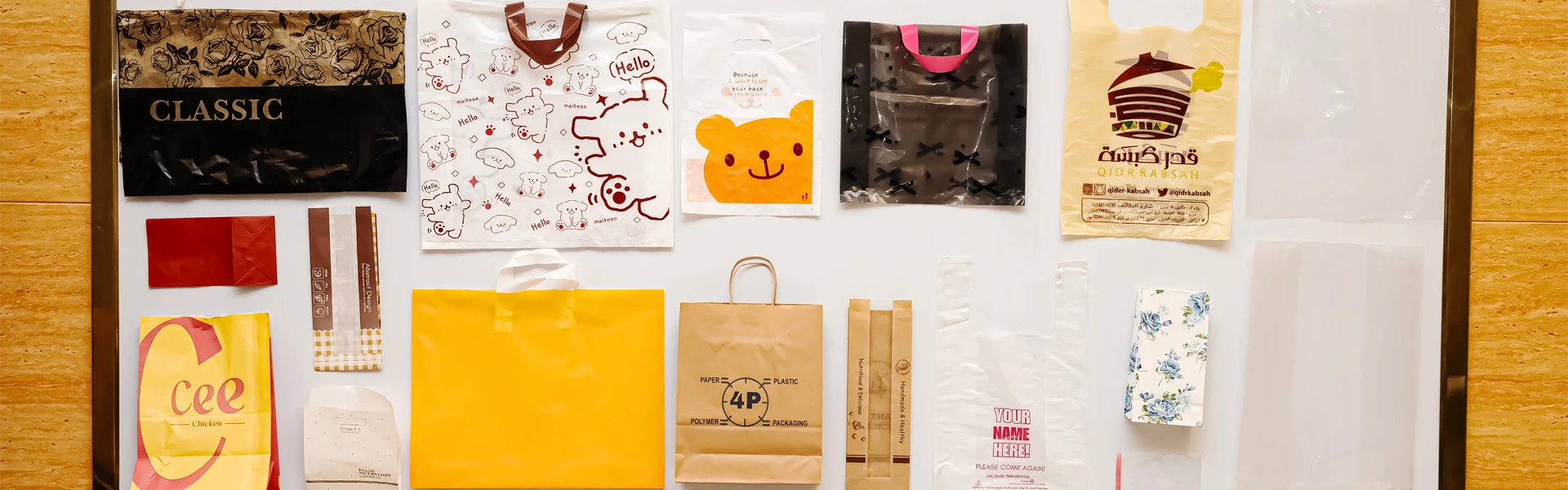
Polypropylene blower is core equipment of plastics processing industry. It is widely used to produce polypropylene films in food packaging, agricultural mulching, industrial packaging and so on. It works by melting and plasticizing polypropylene resin through an extruder, forming tubular film bubble through a circular die, and then producing continuous film through cooling, traction and winding. An efficient PP blown film machine consists of several precision components, the performance of each component directly affects the quality, production efficiency and energy consumption of the membrane. The key parts and technical characteristics of polypropylene blown film machines are systematically analyzed in this paper.
1.Extrusion System: molten plasticized heart
The extrusion system acts as the "heart" of the PP blown film machine, responsible for converting solid polypropylene resin into a uniform melt state. The system consists mainly of screw, cylinder, heater and drive unit.
1.1 Screw Design
PP screws typically have a gradual or abrupt transition structure with a 25: 1to 30: 1 length ratio. The screw surface is treated with chrome plating or nitriding to improve abrasion resistance, while the screw flight depth is gradually reduced along the axis to achieve compression, melting and homogeneity. Some high-end models utilize barrier screws, including a barrier section, to separate unmelted particles and improve melt uniformity.
1.2 Barrel Structure
The barrel is designed to be heated in stages, with temperature control in each stage being independent to ensure a reasonable melt temperature gradient. The inner wall is chrome plated or lined with alloy bushings to reduce material adhesion and wear. New barrel designs integrates temperature and pressure sensors for real-time monitoring and feedback control of melt conditions.
1.3 Heating System
Often used are cast aluminum heaters or ceramic heating bands with temperature control modules to achieve ±1°C precision. Some models use infrared heating technology, which improves heat efficiency by over 20% while reducing energy consumption.
1.4 Drive Module
DC or AC converter motor drives the screw through the gearbox, providing stable torque output. Intelligent drive system automatically adjusts the speed according to process parameters to keep the melt pressure stable.
Mould system: key to film formation
Die is the key part to determine the uniformity of film thickness uniformity and surface quality, and its design precision directly affects product yield.
2.1 Spiral Mandrel Module
Mainstream design features spiral flow channels, creating a uniform spiral flow of the melt in the die, eliminating weld lines. The die clearance can be precisely regulated by hydraulic or electrical systems, and the thickness control is ±1 micron.
2.2 Automatic Air-Ring Systems
The air ring adopts multiple independently controlled cooling blower, which is integrated above the die to provide 360° uniform cooling for the film bubble. Intelligent air rings with PID controllers adjust airflow distribution in real time according to bubble diameter, maintaining thickness variations within ±3%.
2.3 IBC Internal Cooling System
The internal cooling system introduces cool air controlling temperature into the film bubble, which accelerates the stability of the membrane and reduces crystallinity differences. The technique optimizes the longitudinal to transverse tensile strength ratio from the traditional 3:1 to 1.5:1, greatly increasing the stiffness of the film.
Traction and Winding System: guarantee of Dimensional Control
The traction coiling system ensures the steady transmission and coiling of the cooling stable film, and its control precision directly influences the film's physical properties.
3.1 Dual-Station Traction Rolls
Combining rubber and steel rolls with chrome coated surfaces, traction speed is precisely controlled by servo motors synchronized with the extrusion speed to maintain consistent film tension. Some models use laser thickness gauges for closed-loop thickness control.
3.2 Surface Winding and Center Winding
Surface winding adopts friction driven winding core, which is suitable for winding with small roll diameters. The central winding adopts torque motors to drive the winding core directly, which is suitable for large roll diameters winding when running at high speed. High-end models are equipped with automatic rewinding systems for continuous uninterrupted production.
3.3 Tension Control System
Magnetic particle brakes or vector frequency can achieve precise tension control fluctuations ≤ ±0.5 N. Tension sensors continuously monitors film tension and provides dynamic adjustment feedback to PLC system.
Electric Control System: Intelligent Core
Modern polypropylene blower integrates industrial PLCs, touch screen and industrial bus technology to achieve full flow digital control.
4.1 Human-Machine Interface
Color touchscreen (10 inches or larger) incorporate process parameter settings, fault diagnosis, production statistics, and more. The graphical interface supports multilingual switching to reduce operational complexity.
4.2 Motion Control Module
EtherCAT or Profinet industrial buses synchronizes extruders, traction unit and winding machines. High speed response capabilities maintains the consistency of film tension during acceleration and deceleration.
4.3 Remote Monitoring System
IoT enables real-time monitoring of device status through mobile app access. Fault prediction features can identify potential problems in advance and reduce unplanned downtime.
Auxiliary Systems: key to Efficiency Enhancement
5.1 Automated Feeding System
Vacuum feeders and hopper dryer combine to realize automatic transfer and predrying of materials. The drying temperature can be regulated between 60 and100 degrees Celsius, and dew point can be controlled at -40 degrees Celsius or lower, effectively removing moisture from the material.
5.2 Edge Material Recycling System
The system adopts the integrated design of crushed-transportation-regranulation, and the side material recovery rate is more than 95%%. Recycled materials are mixed with raw materials in proportion to reduce production costs.
5.3 Energy-Saving Devices
Variable frequency drives drives increase motor power factor to more than 0.95. Waste heat recovery systems uses the waste heat from the extruder to preheat the material, reducing overall energy consumption by 15-20%.
Technology Development Trends
6.1 Multilayer Coextrusion Technology
Combining polypropylene resin layers with different functions, composite films with special properties such as barrier and anti-static were prepared. Current mainstream equipment supports 3-7 layer coextrusion with interlayer thickness control precision ± ±2%.
6.2 Nano-Modification Technology
The film barrier properties and mechanical strength of the films were significantly improved by the uniform dispersion of nano-montmorillonite and calcium carbonate in polypropylene matrix. Modified membrane oxygen permeability decreased by more than 50%.
6.3 Smart Factory Integration
Integrate AGV trolleys and smart warehousing systems to automate the entireprocess from raw materials to finished products. Real-time production data is uploaded to MES to support process optimization.
Conclusion:
The technological progress of PP blown film machines reflects the transformation of plastics processing industry into efficient, energy conservation and intelligent. From precision control of the extrusion system to innovative die design, from digital upgrade of electrical system to energy-saving optimization of auxiliary components, technological advancement of each component improves the quality and production efficiency of membrane. With continuous advances in materials science and automation technologies, future polypropylene blowers will demonstrate greater flexible production capabilities and lower energy consumption, providing robust support for the sustainability of the packaging industry.