

In the field of plastic film manufacturing, ABA blown film machines has become a key equipment to improve production efficiency and reduce raw material cost due to its unique structural design and technical advantages. The core principle is the twin-screw extruders and a three-layer co-extrusion die head to realize the production of composite film. This paper will systematically analyze the technical essence of ABA blown film machines from four aspects: structural composition, working principle, material adaptability and technological advantages.
1.Structural Composition: Twin-Screw Extruders and three-layer die head precision match
The structure system of ABA membrane blower consists of four modules: extrusion system, die head system, cooling system and traction winding system. These modules work in precise coordination to achieve continuous filmmaking.
1.1 Extrusion System: Differentiated Design of Twin Screws
Unlike traditional single-screw devices, ABA blown film machines employs a twin-screw structure, labeled Screw A and B. B screw A is responsible for extruding the film's surface and bottom layers, often using high-performance materials such as high-density polyethylene (HDPE) or linear low-density polyethylene (LLDPE). Screw B extrudes the middle layer, which can contain low-cost recycled materials or fillers (such as calcium carbonate). This design balances cost and performance by layering the materials.
The screw structure has three levels of design:
Feed zone: The material is moved evenly by changing the thread depth. The inlet temperature is kept between 50°C and 90°C. This stops resin from clumping and blocking the flow.
Melting Zone: The temperature goes up to the flow temperature (for example, 105–135°C for PE). The screw turns and makes shear heat. This heat melts the material completely.
Metering Zone: Keep the temperature steady or raise it a little (2–5°C). This makes sure the melt is even. It also gives a steady flow path for die extrusion.
1.2 Die header system: three-layer coextruded core device
The die head is the technical core of ABA blown film machines, and its spiral mandrel design realizes three-layer combination through the following mechanism:
Flow design: A screw melt enters the annular gap through the die head side channel, forming the surface layer and bottom layer. Screw B melt is injected through an intermediate channel to form an intermediate layer.
Temperature control: The temperature of the die head is 10-30°C lower than that of the metering zone to ensure that the melt has appropriate viscosity during extrusion and to prevent film from cracking or collapsing.
Hard Hard Chrome Plating: the inner wall of die head has been treated with hard chrome plating, the hardness reaches HRC60 and above, and the abrasion resistance and service life are significantly improved.
1.3 Cooling System: Synergistic Operation of air rings and Bubble Stabilizers
Cooling efficiency directly affects the transparency and mechanical properties of the films. ABA blown film machines adopts labyrinth air ring structure to achieve efficient cooling through the following innovations:
Air Volume Adjustment: the upper and lower wind circles are independently controlled, the wind volume range is 0-50 m3/min, can be dynamically adjusted according to the thickness of the film.
Bubble Stabilizer Design is designed to prevent film bubble oscillation and ensure thickness uniformity within ±3% by mechanical flow restriction and air flow guidance above the air ring.
1.4 Traction Winding System: precise control of tension
The traction system is composed of rubber drum and steel rollers, and the winding is stable through the following mechanism:
Pressure Friction Winding: driven by torque motors, winding tension can be regulated in 0-50 range, can adjust the thickness of the film.
Automatic Winding Device: equipped with air expansion shaft and weight control system, can automatically roll changes at full load, reducing manual intervention.
2. Working Principle: Comprehensive Analysis of the Whole Process of Melting-molding
The workflow of ABA membrane blower can be divided into four stages, each of which can optimize membrane performance through precise control.
2.1 Plastic Melting Stage: Differentiated Plasticization Twin Screws
When the material enters the screw through the hopper, it undergoes the following processes:
Solid Conveyance: Screw rotation to push the material forward, compressing as the thread depth decreases.
Molten plasticization: external barrel heating and shearing heat produced by screw work together to completely melt the material in the molten zone.
Metering Homogenization: The metering zone is homogenized by rotating the screw, and the return of the melt is prevented by the check ring at the top of the screw.
2.2 Three-Layer Co-extrusion Stage: Flow Channel Allocation of die heads
After entering the die head, the melt is layered extrusion by the following means:
A-Layer Melting: The surface layer and bottom layer are formed by entering a annular gap through side channels of the die head.
B-layer molten: Injected through a central channel to form an intermediate layer, encapsulated by A-layer molten.
Composite Forming: Three layers of melt converge at the die head outlet, and the initial film width is controlled by diameter adjustment ring.
2.3 Blowing and Cooling Stage: synergy between wind rings and Compressed Air
The formation of the film bubble depends on these key control factors.
Blow-Up Ratio Control: You adjust the compressed air pressure (0.1–0.3 MPa) to control the film's width to height ratio. The usual blow-up ratio is 1:2.5 to 1:4.
Cooling and solidification: Cold air (15–25°C) comes from an air ring. This air makes the film harden fast at a cooling rate of 50–100°C/s.
2.4 Traction Winding Stage: Dynamic Matching of Tension and Speed
The winding system ensures the quality of the film through the following mechanisms:
Traction Speed Control: driven by frequency motors, speed range is 10-150 m/min, synchronized with extrusion speed.
Closed-loop tension control: tension sensors real-time feedback, automatically adjust winding motor torque, prevent film stretching.
3. Material Adaptability: From General-Purpose Plastics to specialty materials
ABA blown film machines have the technical advantage of being adaptable to a wide range of materials and are able to process several of the following raw materials:
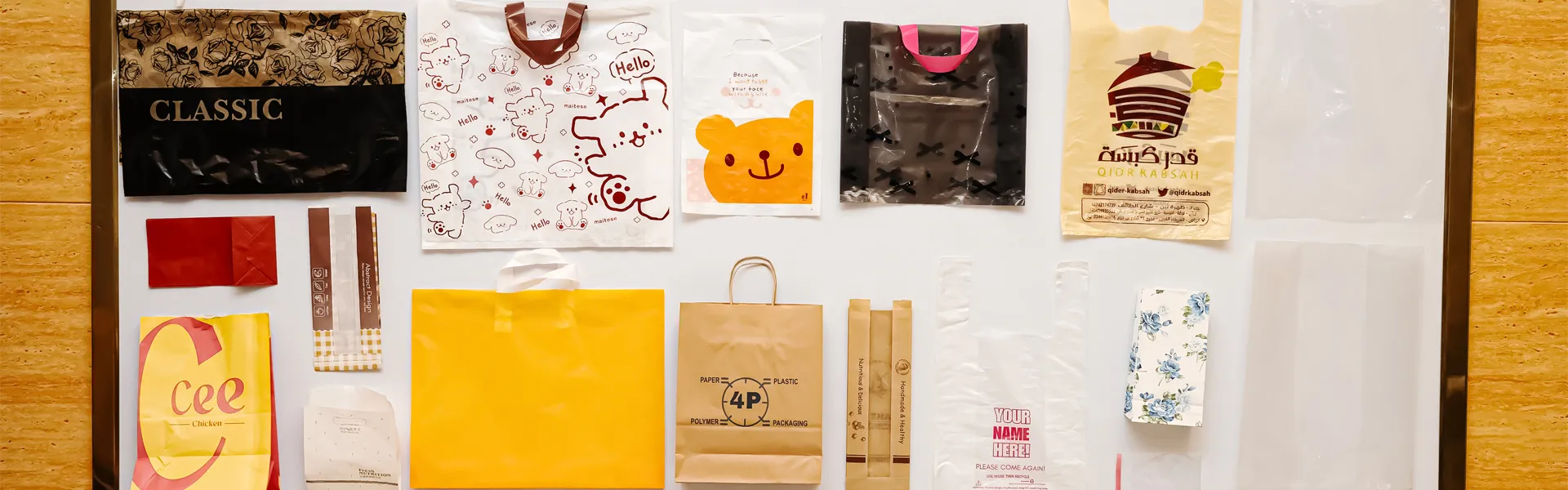
General-Purpose Plastics: HDPE, LDPE, LLDPE for producing conventional packaging such as shopping bags and garbage bags.
Engineering plastics: PA, compound modification through compound modification to improve the piercing and heat-sealability film.
Biodegradable Materials: PLA, PBS, meet environmental packaging demands.
Filled Modified Materials: Adding over 30% calcium carbonate to B layer can reduce costs by 20-30% while maintaining the properties of A layer.
4. Technological Advantages: A Triangular Balance of Efficiency, Cost and Quality
ABA blown film machines gets three core advantages from structural innovation. First, the B-layer uses low-cost materials. This reduces overall costs by 15–25%. Secondly, the twin screw design increases extrusion capacity by 30–50%. The typical model has a top extrusion capacity of 150kg/h. Third, the films' tensile strength increased by 20–40% .Their elongation at break also goes up by 15–30%.
Epilogue: Technological Iteration leads to Industry Upgrades
From single layer to multi-layer, from single material to composite structure, the development of ABA blown film machines embodies the plastic packaging industry's eternal pursuit of efficiency, cost and environmental protection. Technological breakthroughs such as twin-screw differential design, three-layer co-extrusion die head and precision cooling system not only provide a cost-effective solution for film-makers, but also lay the equipment foundation for the industry to upgrade to high performance and functionality. With the proliferation of biodegradable materials and nano-filler technologies, ABA blown film machines will continue to drive the plastic packaging industry into a new era of sustainability through structural innovation and process optimization.
What are the basic structural principles of an ABA blown film machine?
Apr 29, 2026
Leave a message
You Might Also Like


